Rapid Service
Latest Technology
Over 15 Years of Experience
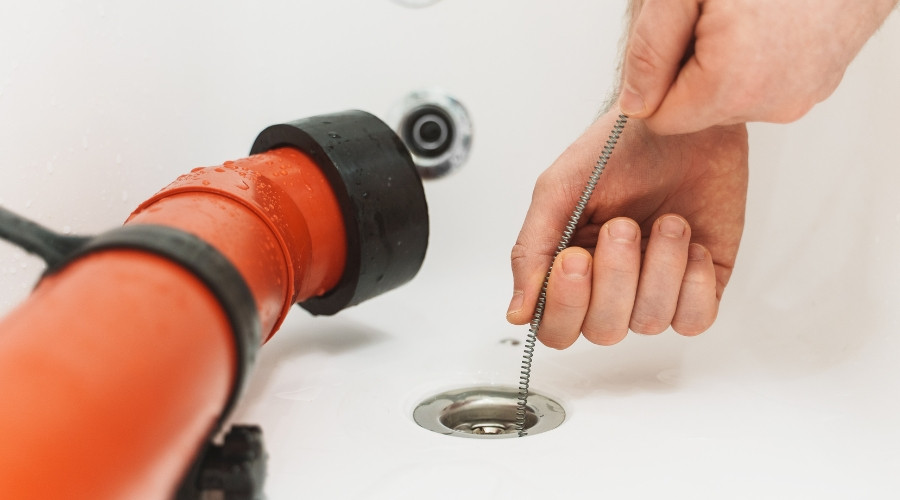
  • Hand using a plumbing snake to clear a drain, with visible orange piping and a drain opening, illustrating drain cleaning techniques relevant to plumbing services.

    Spotting the First Signs of a Clogged Drain or Sewer Line

    How to Identify a Clog and the Need for Drain Cleaning

    When a drainage system is working properly, wastewater disappears quickly and quietly from sinks, tubs, and toilets. As a clog begins to form, however, the plumbing often sends early warnings long before a complete blockage develops. Sometimes the issue is limited to one fixture and indicates a local drain line clog. In other cases, several fixtures show symptoms at once, indicating a clog in a larger sewer line deeper in the system. Recognizing these patterns helps property owners schedule timely drain cleaning and, if needed, sewer line repair before water damage or unsanitary conditions arise.

    Gurgling Noises or a Bad Smell

    bad smell Gurgling sounds and unpleasant odors are common early indicators of trouble inside the pipes. Gurgling from a sink, tub, or toilet usually means air is trapped behind a partial obstruction and is struggling to move through the line with the wastewater.

    • When the noise is confined to a single fixture, a clogged drain line in that branch is likely.
    • When several fixtures gurgle, especially after showers, laundry, or toilet flushes, a clogged sewer line in the main drain becomes a strong possibility.

    Odors tell a similar story. A persistent sewer‑like smell from one drain can indicate organic buildup or venting issues in that line. Foul odors drifting from multiple drains often signal that gases and wastewater are accumulating in the main sewer line rather than flowing freely. In both cases, professional drain cleaning removes accumulated grease, food particles, paper, and other debris, allowing a plumber to check for cracks, root intrusion, or low spots that may require sewer line repair.

    Slow Draining
    clog Slow drains are another classic red flag. Water that lingers in a sink, shower, or bathtub instead of draining quickly usually indicates a developing clog.

    • If the problem appears at only one fixture, hair, soap residue, or foreign objects have probably narrowed that pipe, creating a localized, partially clogged drain line.
    • If multiple fixtures, such as several sinks and tubs, drain slowly at the same time, or if running water in one location causes bubbling in another, the restriction is likely farther down and may be tied to a sewer line clog.

    Chemical drain cleaners can seem like a quick fix, but often fail to remove the full obstruction and may damage older pipes. Professional technicians use specialized drain-cleaning tools, such as augers or hydro‑jetting equipment, to restore normal flow and help prevent a minor clog from becoming a completely clogged sewer line.

    Backups

    Backups are the most urgent sign that immediate help is needed. Wastewater rising into a single sink, tub, or toilet generally points to a nearby drain line clog that prevents that fixture from emptying.

    When toilets, floor drains, and tubs in different parts of the building all overflow or fill with discolored water, the main sewer line is usually compromised. A severe sewer line clog can force contaminated water back into finished spaces, damaging floors, walls, and belongings while creating health concerns. Repeated backups also place stress on joints and fittings, increasing the chance of leaks and structural problems. Prompt professional drain cleaning, followed by inspection and any necessary sewer line repair, is essential to restore safe, reliable drainage.

    About Quahog Plumbing

    For over 15 years, the trusted professionals at Quahog Plumbing have provided expert plumbing and heating solutions in Somerset and the surrounding areas. They offer straightforward pricing and prompt service, utilizing the latest technology to ensure homeowners and businesses alike are satisfied. Call them today to schedule drain cleaning in Somerset, MA.

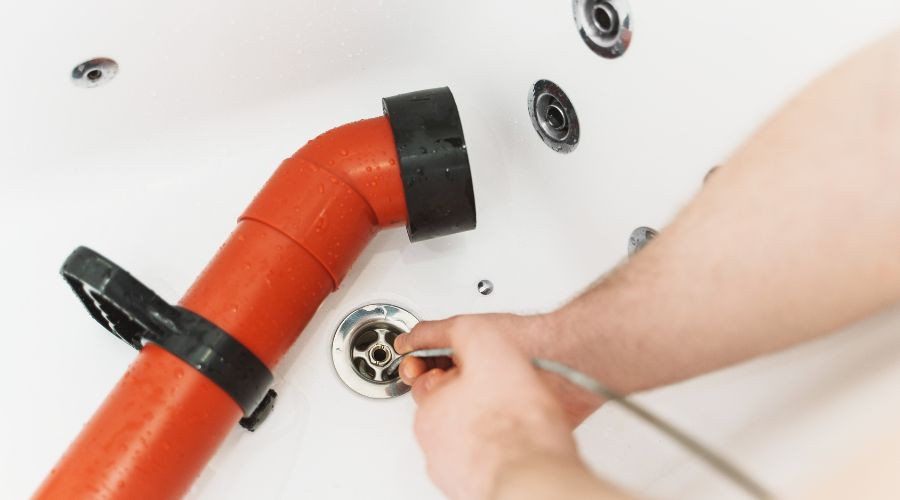
  • How To Know When the Sewer Line Is Clogged

    How Homeowners Can Tell They Need Drain Cleaning

    Dealing with plumbing issues is always a hassle, especially when they are from the drain or sewer. When clogs form in drain and sewer lines, the nasty wastewater produced inside the home can’t be effectively removed, exposing family members to the potential hazards the wastewater contains. 

    Knowing when drain clogs are forming can help homeowners proactively handle and prevent hassles and hazards. Here are some tips from local plumbers to help homeowners know when it’s time to ditch the DIY cures and call for professional drain cleaning. 

    Noisy Draining 

    noises If owners hear gurgling noises when water is draining from sinks, tubs, or toilets, it’s often a sign of trouble in the drain or sewer line. These noises occur when air is trapped in the pipes, typically due to partial blockages in the plumbing system. 
    As water flows through the pipes, it pushes against these obstructions, creating air pockets that escape with a gurgling sound. The buildup of commonly causes this problem: 

    • Soap scum
    • Grease
    • Food particles
    • Tree roots
    • Hair 
    • Foreign debris 

    Gurgling noises are an early warning sign that should not be ignored, as the obstruction causing the sound could eventually lead to a full blockage if left untreated. A professional drain cleaning service can safely remove these obstructions and restore normal water flow with drain snaking or hydrojetting. 

    Frequent Sewage Backups

    Water or sewage backing up into sinks, tubs, or other drains is one of the most serious signs that the sewer line is experiencing significant trouble. 

    Sewage backups occur when a major blockage prevents wastewater from flowing away from the home. Instead, the water reverses direction and flows back into the plumbing fixtures, which can lead to unpleasant odors, unsanitary conditions, and even water damage.

    Due to the health hazards associated with sewage, professional assistance is essential when dealing with backups. Drain cleaning experts use advanced tools, such as hydro jetting and drain augers, to safely clear away these serious obstructions and restore proper drainage.

    Still, homeowners should do their best to keep potential obstructions out of the drain and sewer lines by: 

    • Discarding grease in the trash
    • Closing the toilet lid
    • Providing waste baskets in bathrooms for hygiene products
    • Installing hair catchers
    • Scheduling routine drain cleaning 
    • By being proactive, homeowners will never have to deal with hazardous sewage backups again. 

    Slow Draining of Wastewater 

    sinkIf owners notice that their plumbing fixtures drain water slowly or there’s standing water after use, it’s a clear sign of a clog in the drain or sewer line. In the case of toilets, slow draining or frequent clogs may be due to non-flushable items, such as wipes or paper towels, becoming stuck in the pipes. 

    Ignoring slow drainage can lead to complete blockages that are more difficult and costly to address. Regular professional drain cleaning as soon as slow draining is noticed can remove these obstructions and prevent recurring slow drainage issues.

    About Quahog Plumbing

    Quahog Plumbing responds quickly to emergencies. Their teams handle residential and commercial plumbing complaints and devise permanent solutions. Call today for drain cleaning services in Somerset, MA. 

  • Easy Ways to Prevent Clogged Toilets

    Why are the Toilets Always Clogged? 

    The bathroom is one of the house's busiest rooms but doesn’t really get the appreciation it deserves. Most people spend lots of time in the bathroom using its various plumbing fixtures. It isn’t until something goes wrong that people start to pay attention, and one of the worst things that can go wrong is a clogged toilet. 

    Clogged toilets can make nasty and embarrassing situations for everyone involved, so learning to prevent toilet clogs is in everyone’s best interest, not just homeowners. Here is a list of the three common causes of toilet clogs and how to avoid them. Learning the causes and implementing strategies to eliminate them can virtually eliminate the chance of suffering from a clogged toilet. 

    Keep an Eye on What Gets Flushed

    flushedWhen toilets are flushed, the water's turbulence helps break up waste and toilet paper, so it flows down the sewer line easier. Clogs are almost a certain consequence when things are flushed that don’t break up as easily. Only toilet paper should be flushed down a toilet. 

    A few things that should never be flushed are:

    • Tissues
    • Feminine hygiene products
    • Cotton swabs or cotton balls
    • Paper towels 
    • Wipes, even if they are labeled “flushable”

    Instead, people should discard these items in the garbage to prevent clogged toilets. Also, lowering the lid of the toilet prevents foreign objects from falling into the basin. 

    Get in the Habit of Using Less Toilet Paper

    toiletThe second common cause of a clogged toilet is using too much toilet paper. The clog occurs when there is too much toilet paper for the turbulence of the water to break up. The result is a tangled mess forced into the drain and sewer line without breaking up. This is becoming more common as families shift to low-flow toilets to save water. 

    Instead of flushing too much toilet paper, get in the habit of using less toilet paper or flushing several times to split up the amount of toilet paper used. This prevents a clog of toilet paper from forming and ensures everything flushed down the toilet will properly break up and flow through sewer lines. 

    Keep the Sewer Line Clear of Clogs 

    All of the drains in a home eventually connect to one central line called the sewer line. The sewer line is responsible for delivering all the waste in a home to the municipal sewer lines so it can be treated. The sewer line must be able to handle everything that goes down the drain, so it’s no surprise that they will often clog due to bad habits among those in the household. Clogs in the sewer line are another cause of clogged toilets, so preventing sewer line clogs helps prevent clogged toilets.

    Sewer line clogs most often form slowly over time. Grease and debris get stuck on sewer line walls and gradually reduce the flow of the sewer line. Practicing good habits for drains and toilets is a great start, but sometimes more is needed. Periodic professional drain cleaning can help eliminate drain and sewer line clogs before they start. 

    About Quahog Plumbing

    Quahog Plumbing has over 15 years of experience serving the residents of Somerset, MA, and the surrounding areas. They provide flat-rate pricing, same-day service, and the latest technology. Call them today for a clogged toilet repair in Somerset, MA.

Experience You Can Trust

With over 15 years of experience in the plumbing industry, we are equipped to handle all sorts of problems- from routine drain cleanings to emergency repairs!

Licensed & Safe Plumbers

We’re not just in the service industry, we’re in the relationship business. We want to gain a relationship with the customer and we want to have that relationship for life.

Straightforward, Flat-Rate Pricing

We’ll always provide you with the price of the work before we begin. No surprises or hidden fees!