
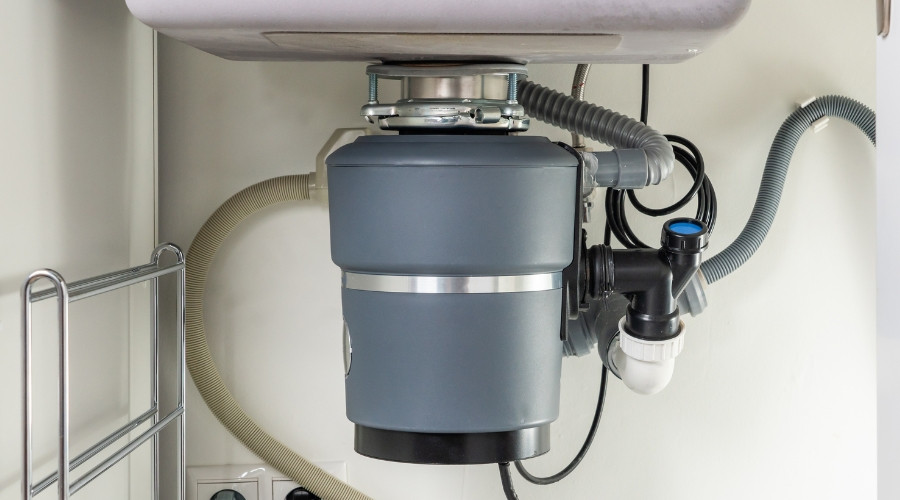
How to Care for the Garbage Disposal and Prevent Clogs
A well-maintained garbage disposal makes kitchen cleanup faster and easier, but misuse can quickly lead to jams, bad odors, and even a clogged sewer line. With the right habits, a disposal can stay efficient and trouble-free for years. This post explains how to maintain a garbage disposal, what should and should not go into it, and how to avoid overloads that can cause damage and clogs.
Be Careful What Goes Down the Disposal
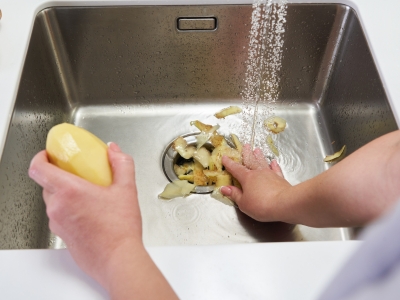 The fastest way to end up with a clogged garbage disposal is to send the wrong materials into it. Certain items should never go down a disposal because they either damage the mechanism or create stubborn clogs in the drain and even further down the line.
Grease, fats, and cooking oils top the “do not grind” list. These substances may look harmless when hot, but they cool and solidify inside pipes, coating the walls and catching other debris. Over time, this buildup can contribute to a severe clog or even a clogged sewer line. Coffee grounds also pose a problem, as they clump together and form dense deposits.
Eggshells, potato peels, onion skins, celery, and other fibrous or stringy foods can wrap around the grinding components and reduce performance. Foods that absorb water—such as rice, pasta, bread, and oatmeal—tend to swell and create blockages in the trap and beyond. Bones, fruit pits, nutshells, and non-food items should always go in the trash or compost, not the disposal.
On the other hand, small amounts of soft food scraps are generally acceptable when combined with plenty of cold water. Cutting leftovers into smaller pieces and scraping most waste into the trash before rinsing dishes helps keep the garbage disposal operating smoothly and reduces the chance of a sewer line clog.
Use Cold Water and Ice
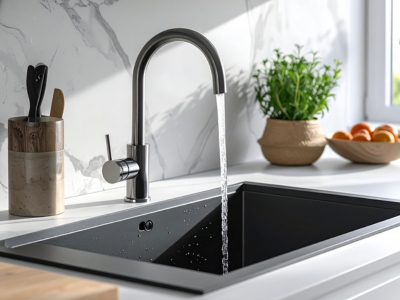 Water usage is just as important as food choices. Running cold water before, during, and for several seconds after using the garbage disposal is essential. Cold water helps keep any residual grease or fat in a more solid state, allowing the disposal to break it into tiny particles that can move more easily through the drain system instead of coating pipe walls. This habit reduces the likelihood of a clogged garbage disposal and downstream buildup.
Hot water may feel more natural in the kitchen, but it can liquefy fats and encourage them to cling to the inside of pipes, contributing to long-term blockages. Consistent cold-water flushing, by contrast, helps move particles through the system more effectively.
Ice cubes are another useful maintenance tool. Running a small tray of ice through the unit periodically can help knock loose stuck-on food particles and residue from the grinding chamber. The ice does not actually “sharpen” the blades, but it does scour interior surfaces and can help restore a clean garbage disposal. Some homeowners also add a few small pieces of citrus peel to the ice for a fresher smell, so long as quantities remain modest and the peels are cut into small sections.
Avoid Putting Too Much Down the Disposal at Once
Even when only suitable food waste is going into the disposal, quantity and pacing matter. Overloading a unit with a large volume of scrap at once can overwhelm the grinding mechanism and cause a jam. In many cases, this results in a garbage disposal humming without actually turning on, a common sign that the motor is powered but the impeller is stuck.
To prevent this, large food scraps should be broken into smaller pieces and fed gradually into the running disposal along with a steady stream of cold water. Allowing the unit to fully process one batch before adding more helps prevent clogs and reduces strain on the motor. This approach also lowers the risk of pushing unground material into the drain, where it can contribute to a sewer line clog.
If the unit stops mid-cycle, many models include a garbage disposal reset button on the bottom or side of the housing. Occasional resets can be normal after a jam, but a disposal that constantly trips, stalls, or leaves standing water in the sink may need professional garbage disposal repair or, in some cases, garbage disposal replacement. Prompt attention can prevent minor disposal issues from turning into major plumbing problems deeper in the system.
About Quahog Plumbing
Quahog Plumbing offers expert plumbing solutions from a trusted, top-rated plumbing and heating company with experience you can trust. Call them today for same-day service and straightforward, flat-rate pricing on garbage disposal services in Somerset, MA.


 Garbage disposals are famous for not having the best smells when having issues. They can usually be kept fresh with simple maintenance, like using baking soda and vinegar to keep them clean and ice to dislodge food. However, foul garbage disposal smells sometimes indicate a problem with the appliance itself.

