Rapid Service
Latest Technology
Over 15 Years of Experience
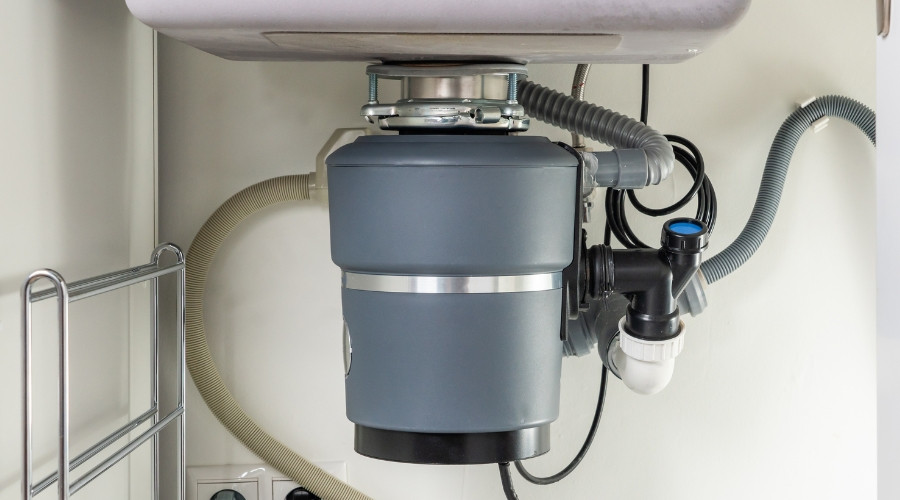
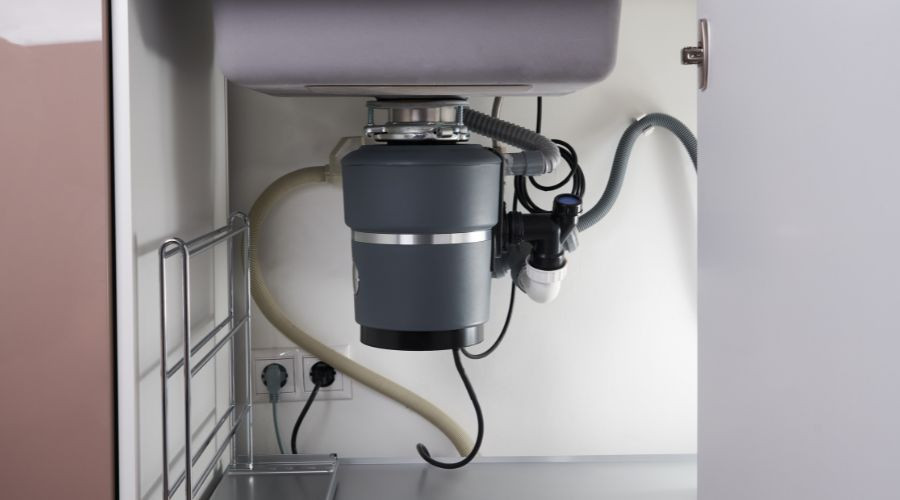
  • Garbage disposal unit installed under kitchen sink, highlighting plumbing connections and maintenance aspects.

    Keeping the Garbage Disposal Running Smoothly

    How to Care for the Garbage Disposal and Prevent Clogs

    A well-maintained garbage disposal makes kitchen cleanup faster and easier, but misuse can quickly lead to jams, bad odors, and even a clogged sewer line. With the right habits, a disposal can stay efficient and trouble-free for years. This post explains how to maintain a garbage disposal, what should and should not go into it, and how to avoid overloads that can cause damage and clogs.

    Be Careful What Goes Down the Disposal
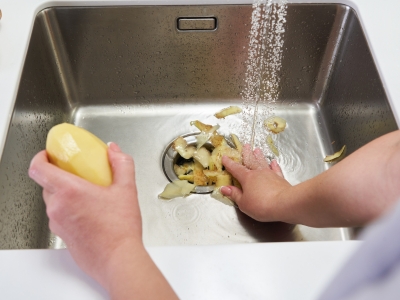
    food The fastest way to end up with a clogged garbage disposal is to send the wrong materials into it. Certain items should never go down a disposal because they either damage the mechanism or create stubborn clogs in the drain and even further down the line.

    Grease, fats, and cooking oils top the “do not grind” list. These substances may look harmless when hot, but they cool and solidify inside pipes, coating the walls and catching other debris. Over time, this buildup can contribute to a severe clog or even a clogged sewer line. Coffee grounds also pose a problem, as they clump together and form dense deposits.

    Eggshells, potato peels, onion skins, celery, and other fibrous or stringy foods can wrap around the grinding components and reduce performance. Foods that absorb water—such as rice, pasta, bread, and oatmeal—tend to swell and create blockages in the trap and beyond. Bones, fruit pits, nutshells, and non-food items should always go in the trash or compost, not the disposal.

    On the other hand, small amounts of soft food scraps are generally acceptable when combined with plenty of cold water. Cutting leftovers into smaller pieces and scraping most waste into the trash before rinsing dishes helps keep the garbage disposal operating smoothly and reduces the chance of a sewer line clog.

    Use Cold Water and Ice
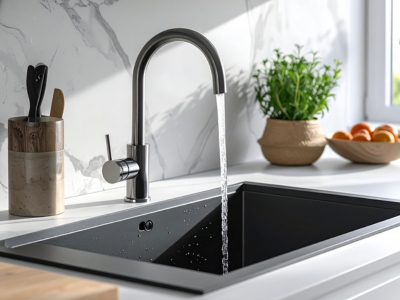
    sinkWater usage is just as important as food choices. Running cold water before, during, and for several seconds after using the garbage disposal is essential. Cold water helps keep any residual grease or fat in a more solid state, allowing the disposal to break it into tiny particles that can move more easily through the drain system instead of coating pipe walls. This habit reduces the likelihood of a clogged garbage disposal and downstream buildup.

    Hot water may feel more natural in the kitchen, but it can liquefy fats and encourage them to cling to the inside of pipes, contributing to long-term blockages. Consistent cold-water flushing, by contrast, helps move particles through the system more effectively.

    Ice cubes are another useful maintenance tool. Running a small tray of ice through the unit periodically can help knock loose stuck-on food particles and residue from the grinding chamber. The ice does not actually “sharpen” the blades, but it does scour interior surfaces and can help restore a clean garbage disposal. Some homeowners also add a few small pieces of citrus peel to the ice for a fresher smell, so long as quantities remain modest and the peels are cut into small sections.

    Avoid Putting Too Much Down the Disposal at Once

    Even when only suitable food waste is going into the disposal, quantity and pacing matter. Overloading a unit with a large volume of scrap at once can overwhelm the grinding mechanism and cause a jam. In many cases, this results in a garbage disposal humming without actually turning on, a common sign that the motor is powered but the impeller is stuck.

    To prevent this, large food scraps should be broken into smaller pieces and fed gradually into the running disposal along with a steady stream of cold water. Allowing the unit to fully process one batch before adding more helps prevent clogs and reduces strain on the motor. This approach also lowers the risk of pushing unground material into the drain, where it can contribute to a sewer line clog.

    If the unit stops mid-cycle, many models include a garbage disposal reset button on the bottom or side of the housing. Occasional resets can be normal after a jam, but a disposal that constantly trips, stalls, or leaves standing water in the sink may need professional garbage disposal repair or, in some cases, garbage disposal replacement. Prompt attention can prevent minor disposal issues from turning into major plumbing problems deeper in the system.

    About Quahog Plumbing

    Quahog Plumbing offers expert plumbing solutions from a trusted, top-rated plumbing and heating company with experience you can trust. Call them today for same-day service and straightforward, flat-rate pricing on garbage disposal services in Somerset, MA.
  • Tips to Help Homeowners Keep Their Garbage Disposals Working

    Ways to Better Care for a Garbage Disposal

    A properly functioning garbage disposal is a household convenience often taken for granted until it stops working. This hardworking kitchen device grinds up food scraps to help them travel down the drain and sewer lines without causing clogs. But without proper care of the garbage disposal or good habits when using it, it can quickly become a source of unpleasant odors, costly repairs, clogged sewer lines, and major headaches. 

    If households want to prevent future issues with their garbage disposals and avoid clogs, knowing how to use the garbage disposal properly is essential. This guide will share simple yet effective tips that can help keep the garbage disposal working and the kitchen running smoothly. 

    Be Careful What Gets Put Down Garbage Disposals 

    sinkA garbage disposal is designed to handle certain small food scraps, but many homeowners inadvertently damage their units or cause drain and sewer line clogs by disposing of the wrong items. Many things shouldn’t go down garbage disposals, including: 

    • Fibrous vegetables and foods like celery, corn husks, asparagus, and more
    • Foods that retain water, such as rice, pasta, oatmeal, and more
    • Coffee grounds 
    • Eggshells
    • Potato peels
    • Grease, oils, and fats 
    • Hard food scraps, like pits, bones, seafood shells, and nuts
    • Non-food items

    What people can safely put down the garbage disposal includes fruit and vegetable scraps, besides the exceptions like potato peels and fibrous veggies, and cooked meat scraps, excluding bones. When in doubt about whether something can go down the disposal, it’s better to be cautious and dispose of it in the garbage can instead.

    Run Cold Water and Ice Through the Garbage Disposal

    sinkRunning cold water while using the disposal plays a crucial role in maintaining a garbage disposal's performance and longevity. Unlike hot water, which can cause grease and oils to liquefy and later solidify in the pipes, causing clogs, cold water helps solidify these substances that find their way down the drain so they can be broken down and flushed through the system more effectively. Running cold water before, during, and for around 30 seconds after using the disposal also helps ensure proper cleaning of the grinding chamber, helping prevent food particles from sticking to the blades and walls of the unit.

    Ice cubes can also serve as an easy way to help keep the garbage disposal unit clean and free of odors. When fed through the running disposal, the shards of ice help remove stuck food debris and buildup from the grinding components while also sharpening the blades. The combination of ice and cold water creates a mixture that can reach areas of the disposal that might otherwise be missed during regular use. For optimal results, drop a handful of ice cubes into the disposal once a month while running cold water, and let the disposal operate until the ice is completely ground up. 

    Don’t Put Too Much Down the Garbage Disposal 

    When using the garbage disposal, it's crucial to be mindful of the size of food scraps and how much is being put down the disposal at any given time. Overloading the disposal with too much food waste at once or too big of food waste can strain the motor and cause jams or sewer line clogs. The disposal works best when processing smaller amounts of food gradually, allowing each batch to be thoroughly ground before adding more.

    For optimal performance, break down larger food scraps into smaller, more manageable pieces before feeding them into the disposal. A good rule of thumb is to keep food pieces no larger than one inch in size and add them slowly while running cold water. This measured approach not only protects the disposal but also ensures that the ground-up waste can flow smoothly through the pipes without creating blockages. Remember that a garbage disposal is designed to handle small amounts of food waste as a convenience, not as a primary means of waste disposal.

    About Quahog Plumbing

    Quahog Plumbing has over 15 years of experience serving Somerset, MA, and the surrounding areas. They offer rapid service, flat-rate pricing, and the latest technology. Call them for kitchen plumbing and garbage disposal services in Somerset, MA. 
  • A Failing Garbage Disposal: What Are the Signs?

    Indicators of a Malfunctioning Garbage Disposal in Need of Repair

    One of the most convenient devices in the kitchen is the garbage disposal. It makes quick work of food scraps and is a close ally of the plumbing, grinding up food small enough that it won’t disrupt the plumbing and cause problems. Like any other appliance, however, it cannot last forever and may need repair. This article will discuss what a home’s garbage disposal may be doing that indicates it may need garbage disposal repair or replacement.  

    Symptom #1: Unusual Noises

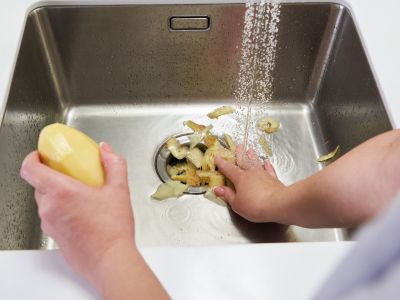
    noiseGarbage disposals are not quiet machines. They make a rather noticeable grinding sound even when they are working correctly. However, if they begin making other strange noises, there is likely something wrong that may require repairing or replacing the garbage disposal. Some unusual noises a garbage disposal may make when something is wrong includes the following:

    • Humming: If the disposal simply hums when turned on and the blades are not rotating, something is likely stuck inside. It can also be that the blades have just stopped working. Sometimes pushing the reset button will correct this problem.
    • Whining or Screeching: A loud screeching akin to a metal-on-metal sound may mean that something has been knocked out of place or something like a utensil has been dropped inside. 
    • Other Sounds: Other sounds like gurgling may indicate a clogged garbage disposal, and clanging can indicate that something is caught in the disposal's blades.

    Symptom #2: Poor Performance 

    This symptom may seem obvious, but people tend to deal with an item struggling for a while instead of repairing or replacing it when they should.  This can mean that the garbage disposal doesn’t work as quickly as it should or has trouble grinding up waste. If the garbage disposal’s reset button has to be used frequently, it also shows an issue with the garbage disposal unit, like the machine is wearing out. Some examples of problems that can cause poor performance are:

    • Corrosion on the blades.
    • Dull blades.
    • A jam in the system.
    • Internal problems with the machine.

    Symptom #3: Foul Odors

    smellsGarbage disposals are famous for not having the best smells when having issues. They can usually be kept fresh with simple maintenance, like using baking soda and vinegar to keep them clean and ice to dislodge food. However, foul garbage disposal smells sometimes indicate a problem with the appliance itself. 

    If the machine is worn out, it will not grind up the food as well as it should, leading to clogs, jams in the device, constant resetting, and a bad-smelling drain. A foul smell from the kitchen drain could also be due to a clog in the piping which can indicate issues like garbage disposals not grinding up food waste enough. If homeowners notice these signs, it shows a need for professional help.

    About Quahog Plumbing

    Quahog Plumbing has over 15 years of experience serving Somerset, MA, and the surrounding communities. They provide same-day services, straightforward pricing, and the latest technology. Call them today for kitchen plumbing and garbage disposal services in Somerset, MA.

Experience You Can Trust

With over 15 years of experience in the plumbing industry, we are equipped to handle all sorts of problems- from routine drain cleanings to emergency repairs!

Licensed & Safe Plumbers

We’re not just in the service industry, we’re in the relationship business. We want to gain a relationship with the customer and we want to have that relationship for life.

Straightforward, Flat-Rate Pricing

We’ll always provide you with the price of the work before we begin. No surprises or hidden fees!