Rapid Service
Latest Technology
Over 15 Years of Experience
  • A Guide to Water Hammer and Its Risks

    Understanding and Fixing the Banging Sound From Pipes

    People may hear a loud banging sound echoing through their walls immediately after a faucet is turned off or a dishwasher or washing machine completes a fill cycle. While it may seem like a minor annoyance, these sounds are a sign of a plumbing issue called water hammer that can lead to more serious problems and damage if left unaddressed. This guide to water hammer explains what it is and why it occurs, the risks of ignoring it, and how plumbers can address it. 

    What Is Water Hammer and Why Does It Happen?

    sounds Water hammer, also known as hydraulic shock, occurs when the momentum of water flowing through the plumbing system is abruptly stopped or forced to change direction. The abrupt stop or change in direction creates a high-intensity pressure surge that can cause the pipes to move and even strike against the wooden framing of the house.

    Water hammer and the loud sounds homeowners hear can be caused by issues like: 

    • Quick-Closing Valves: New appliances like dishwashers and washing machines can use solenoid valves that snap shut instantly, which may cause water to stop and change direction too quickly. 
    • High Water Pressure: When the water pressure is too high, water hammer and the force of the resulting shock waves can be greatly intensified.
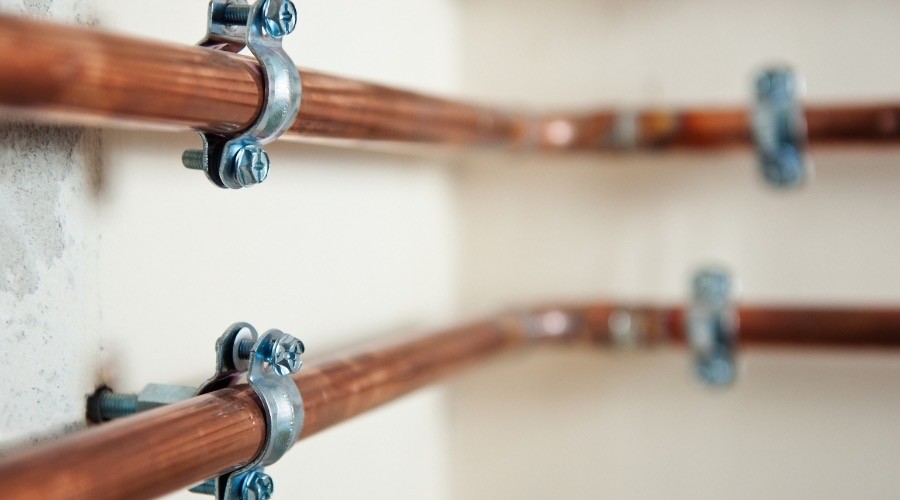
    • Loose Pipes: Piping that is not properly secured has greater freedom to move, which can worsen noise and vibration caused by hydraulic shock.
    • Clogged Air Chambers: Plumbing systems may use vertical pipe sections intended to act as cushions to absorb pressure, but when they become clogged, they lose their ability to absorb impact.

    The Risks of Ignoring Water Hammer
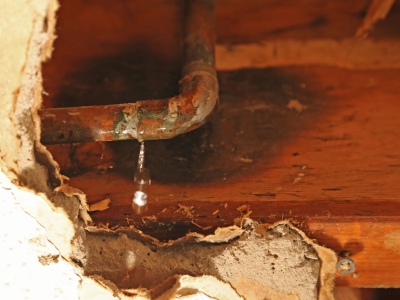
    leak While banging noises are the most obvious sign of water hammer, it’s not the greatest risk. The repetitive physical stress placed on the piping is the greatest concern. Each occurrence of hydraulic shock puts immense strain on the joints, fittings, and pipe supports throughout the home.

    Over time, this constant stress can weaken the infrastructure, leading to water leaks or even burst pipes. Such failures can cause extensive water damage to the home, which is costly to repair. These high-pressure waves can also damage sensitive internal components of expensive water-using appliances.

    Common Fixes for Water Hammer

    Identifying the specific causes of hydraulic shock requires specialized knowledge and equipment, so the most effective way to resolve it and prevent leaks, burst pipes, and water damage is to contact a professional after hearing banging pipes. A plumber can determine the underlying factors that are causing it and recommend the best solutions to protect the home.

    Potential solutions for resolving water hammer may include installing water hammer arrestors, which contain a spring-loaded piston or sealed air chamber to dissipate energy and prevent vibrations. They can also test the home's water pressure and, if necessary, adjust it or replace a broken water pressure regulator. Additionally, securing loose pipes can significantly reduce noise and the movement that leads to wear and tear.

    About Quahog Plumbing 

    Quahog Plumbing has more than 15 years of experience serving the Somerset community and the surrounding areas. They provide rapid, same-day services, flat-rate pricing, and the latest technology. Call for plumbing services in Somerset, MA. 
  • A Guide to Dealing with Gas Leaks

    How to Respond to Gas Line Leaks 

    Gas leaks are among the most stressful problems homeowners can face. Unfortunately, not knowing what to do in this situation makes things worse and more dangerous. There are a few things that people should know about natural gas leaks. Here is a quick guide to recognizing the signs of gas leaks, their dangers, and what to do once one is noticed. 

    Signs of Gas Leaks 

    bad smell Natural gas is used in most homes for things like heating, water heating, and cooking. However, a leak from the gas line can be dangerous, so household residents must know how to spot them. Some of the signs that help people spot gas line leaks are: 

    • The bad odor: While natural gas is odorless, special chemicals are added to make it smell like rotten eggs to help alert people to a gas leak. 
    • Dying or wilted plants: Gas leaks can also cause houseplants or grass and plants in portions of the yard near the gas line to wilt or die. 
    • Unusual Sounds: Natural gas leaks can cause a whistling or hissing sound. 

    Responding to Gas Line Leaks 

    If a gas leak is noticed, knowing how to respond is essential. Quick action should be taken. First, everyone should vacate the home and area. While leaving the home, everyone should be sure not to do anything that could cause a spark or flame, including using lights, cell phones, and electronics. 

    Once everyone is at a safe distance from the property, the gas company should be notified, and a plumber should be called for gas leak detection and gas leak repair. Using specialized detection equipment, they can pinpoint the location of the gas leak and make immediate repairs, making the home safe again. 

    Dangers of a Natural Gas Leak 

    sickA gas leak is extremely dangerous. When there is a natural gas leak, there is a risk of fire or an explosion if a spark or flame ignites the gas. Additionally, many physical symptoms of a gas leak can occur. Some gas leak symptoms include: 

    • Headaches
    • Dizziness
    • Fatigue
    • Lightheadedness
    • Difficulty breathing 
    • Nausea
    • Flu-like symptoms
    • Pale skin or blisters

    Considering the dangers associated with a gas leak, homeowners should be aware of the signs of a gas leak and respond correctly. 

    About Quahog Plumbing

    Quahog Plumbing has been serving Somerset and the surrounding areas for over 15 years. They provide same-day services, straightforward pricing, and the latest technology. Call them for gas leak detection and gas line repair in Somerset, MA. 

  • The Complete Guide to Slab Leaks

    Get the Scoop on Slab Leaks 

    Slab leaks are among the worst plumbing problems that homeowners run into, but most people never learn what a slab leak is until they have to deal with it themselves. In this blog post, our plumbing experts share valuable insight on slab leak detection, why slab leaks are dangerous, and what can be done to fix them. 

    Homeowners might first notice signs of a slab leak in the form of a wet spot on the carpet or a puddle forming on the floor seemingly randomly. The floor might be warm to the touch, and the carpet may become discolored in the spot where the leak is. When serious water damage has already occurred due to a foundation leak, the first indicator of the leak may be a foul or moldy smell coming from the walls or floor. If homeowners notice one of these signs, they should call a professional before any damage worsens. 

    What is a Slab Leak?

    slab leak

    What is a slab leak? The “slab” is the layer of solid concrete foundation on which the home sits. The plumbing lines go directly under the slab on the first floor. 

    Most slab leaks are caused by soil expanding around the home’s foundation. The phenomenon called expansive soil shift is common, with an estimated 25% of homes reporting damage from expansive soil. Expansive soil absorbs water and expands, pressing inwards on the foundation until it crumbles. Homeowners may be able to see which direction the soil shifted by looking at the plants outside of the home. 

    Slab Leaks Can Be Dangerous

    Slab leaks can cause the same type of problems as other plumbing leaks, such as corrosion, loss of water pressure, or a spike in utility bills. What makes slab leaks different than other plumbing leaks is additional potential consequences. The leak's location is what makes it detrimental to the integrity of the structure. 

    One of the worst things about a slab leak is that by the time the homeowner notices it, it is usually too late to prevent water damage. Sometimes it takes weeks or even months for the homeowner to notice the leak, and mold usually starts to grow around day three. Homeowners should immediately schedule slab leak repair after a foundation leak is detected to stop water damage in its tracks. 

    How to Address the Problem plumber

    It is important to address the problem of a slab leak as soon as possible before serious damage can occur. The weakened foundation may continue to crack as long as the water pours out into the soil beneath it. Slab leak repair is a complicated task that requires the hands of an experienced professional plumbing contractor. 

    Perhaps the hardest part about repairing a slab leak is figuring out how to get through the concrete foundation to reach the water pipes for repair. In some cases, it may be easier to reroute the water flow by adding new pipes instead of digging down into the foundation to repair the old pipes. The other option is to break through the concrete slab to fix the plumbing and re-do the foundation afterward. 

    About Quahog Plumbing

    Quahog Plumbing has served its community in Somerset and Bristol County for over 15 years. They provide straightforward pricing, same-day service, and a satisfaction guarantee. Call them today to schedule an appointment with an experienced plumber in Dighton, MA.

Experience You Can Trust

With over 15 years of experience in the plumbing industry, we are equipped to handle all sorts of problems- from routine drain cleanings to emergency repairs!

Licensed & Safe Plumbers

We’re not just in the service industry, we’re in the relationship business. We want to gain a relationship with the customer and we want to have that relationship for life.

Straightforward, Flat-Rate Pricing

We’ll always provide you with the price of the work before we begin. No surprises or hidden fees!