Rapid Service
Latest Technology
Over 15 Years of Experience
  • Things That Homeowners Should Know About Water Heater Replacement

    A Quick Guide to Water Heater Replacement 

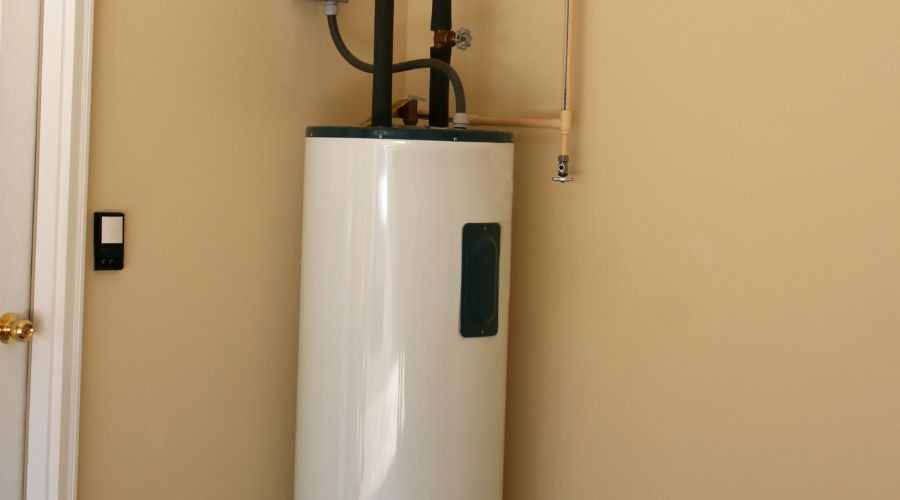
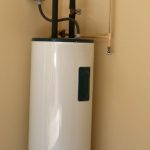
    Nobody wants to get stuck without hot water. Luckily, there are signs homeowners can watch out for indicating water heater replacement is needed. This water heater replacement guide will share some important basics to know about replacing a water heater, including signs it’s needed, its benefits, and choosing between a gas and electric water heater. 

    Signs That Water Heater Replacement Is Needed
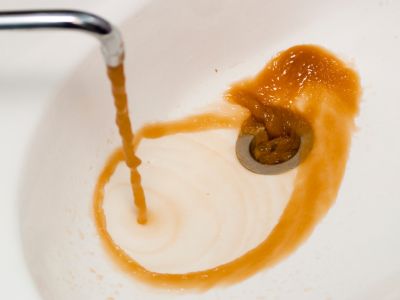
    dirty water A water heater works hard, providing hot water for the household, until it can't anymore. However, water heaters show signs they need replacing before this point. Recognizing the signs indicating water heater replacement is needed and calling a plumber for a new water heater installation can help prevent unexpected cold showers, leaks, and more problems.

    One clear sign to replace a water heater is corrosion. However, besides visible rust and corrosion on the water heater, other signs of a corroded water heater can include rusty or discolored water flowing from hot water taps and hot water with a metallic smell. The deterioration of a water heater due to corrosion not only affects the hot water quality but can also lead to leaks and water damage. 

    A water heater’s age can also indicate that replacement is needed. Most conventional water heaters last about 8-12 years, so when the water heater has been in service for over 10 years, it may be time for a replacement. Another sign of an aging water heater that can indicate replacement is needed is high utility costs, as the energy efficiency of a water heater declines over time. Other unmistakable indicators to call for water heater replacement include a leaking water heater, insufficient hot water for the household's needs, and units that need frequent repairs.

    Benefits of Water Heater Replacement

    save money Replacing an old water heater and installing a new high-efficiency water heater can deliver immediate advantages. A new, efficient water heater installation improves energy efficiency and reduces water heating costs. According to Energy Star, water heating accounts for around 15% of the energy used in a household, and high-efficiency models can use 10-50% less energy than conventional water heaters. So, replacing an old water heater that has decreased in efficiency due to aging and installing a high-efficiency one can save money on utility bills.

    Additionally, with a new water heater that is more reliable and has a lower risk of needing repair, homeowners can also save on repair costs associated with aging systems that can experience more problems. Beyond the monetary advantages, having a more reliable water heater can prevent cold showers and discomfort from water heater problems, and new water heaters can offer faster recovery rates, meaning less waiting between showers when multiple people need hot water. Modern units can also deliver more consistent water temperatures without the fluctuations common in aging systems. 

    Choosing Between an Electric and Gas Water Heater

    One decision that needs to be made before a new water heater installation is whether to install a gas or electric water heater. Both types offer distinct advantages, so the best choice for a home will depend on what homeowners prefer and factors like the installation cost, monthly operating costs, household size, and more. Plumbers can also help homeowners make an informed decision.

    Electric water heaters cost less upfront than gas models and are easier to install. Safety represents another significant advantage of an electric water heater installation. Unlike gas water heaters, electric models don’t use natural gas to heat water, eliminating combustion concerns and carbon monoxide risks. 

    Gas water heaters, while more expensive initially, can deliver superior long-term value through lower operational costs, saving homeowners money on monthly water heating costs. A gas water heater installation is also beneficial due to their fast heating times and high heating capacity, making them great for large households. 

    About Quahog Plumbing

    Quahog Plumbing has more than 15 years of experience serving the Somerset community. They provide straightforward pricing, same-day services, and a 100% satisfaction guarantee. Call them for water heater installation and repair services in Somerset, MA. 
  • Tips to Help Homeowners Keep Their Garbage Disposals Working

    Ways to Better Care for a Garbage Disposal

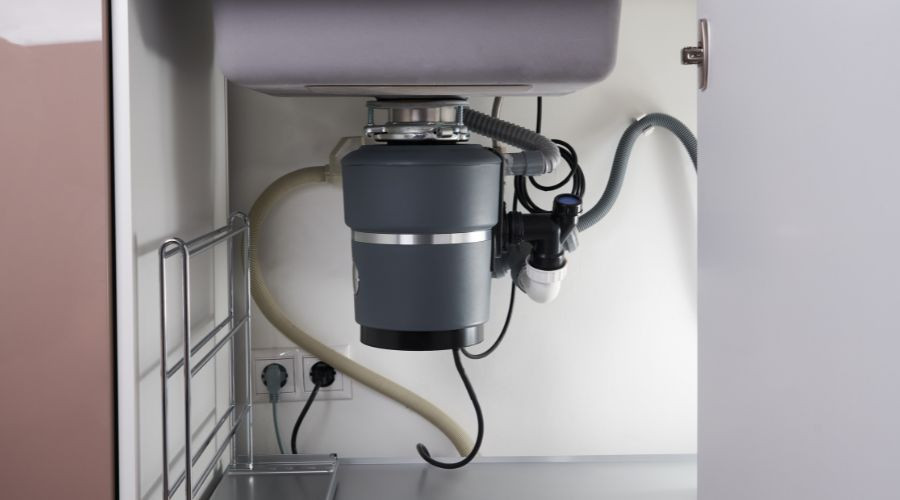
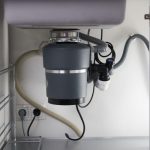
    A properly functioning garbage disposal is a household convenience often taken for granted until it stops working. This hardworking kitchen device grinds up food scraps to help them travel down the drain and sewer lines without causing clogs. But without proper care of the garbage disposal or good habits when using it, it can quickly become a source of unpleasant odors, costly repairs, clogged sewer lines, and major headaches. 

    If households want to prevent future issues with their garbage disposals and avoid clogs, knowing how to use the garbage disposal properly is essential. This guide will share simple yet effective tips that can help keep the garbage disposal working and the kitchen running smoothly. 

    Be Careful What Gets Put Down Garbage Disposals 

    sinkA garbage disposal is designed to handle certain small food scraps, but many homeowners inadvertently damage their units or cause drain and sewer line clogs by disposing of the wrong items. Many things shouldn’t go down garbage disposals, including: 
    • Fibrous vegetables and foods like celery, corn husks, asparagus, and more
    • Foods that retain water, such as rice, pasta, oatmeal, and more
    • Coffee grounds 
    • Eggshells
    • Potato peels
    • Grease, oils, and fats 
    • Hard food scraps, like pits, bones, seafood shells, and nuts
    • Non-food items

    What people can safely put down the garbage disposal includes fruit and vegetable scraps, besides the exceptions like potato peels and fibrous veggies, and cooked meat scraps, excluding bones. When in doubt about whether something can go down the disposal, it’s better to be cautious and dispose of it in the garbage can instead.

    Run Cold Water and Ice Through the Garbage Disposal

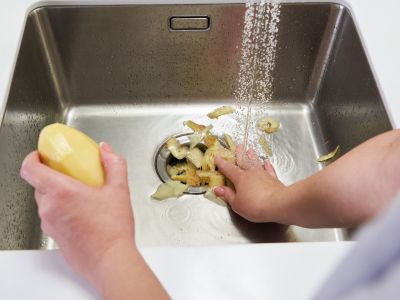
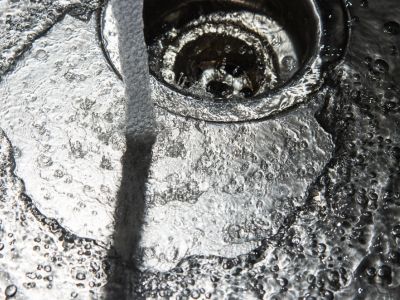
    sinkRunning cold water while using the disposal plays a crucial role in maintaining a garbage disposal's performance and longevity. Unlike hot water, which can cause grease and oils to liquefy and later solidify in the pipes, causing clogs, cold water helps solidify these substances that find their way down the drain so they can be broken down and flushed through the system more effectively. Running cold water before, during, and for around 30 seconds after using the disposal also helps ensure proper cleaning of the grinding chamber, helping prevent food particles from sticking to the blades and walls of the unit.
    Ice cubes can also serve as an easy way to help keep the garbage disposal unit clean and free of odors. When fed through the running disposal, the shards of ice help remove stuck food debris and buildup from the grinding components while also sharpening the blades. The combination of ice and cold water creates a mixture that can reach areas of the disposal that might otherwise be missed during regular use. For optimal results, drop a handful of ice cubes into the disposal once a month while running cold water, and let the disposal operate until the ice is completely ground up. 

    Don’t Put Too Much Down the Garbage Disposal 

    When using the garbage disposal, it's crucial to be mindful of the size of food scraps and how much is being put down the disposal at any given time. Overloading the disposal with too much food waste at once or too big of food waste can strain the motor and cause jams or sewer line clogs. The disposal works best when processing smaller amounts of food gradually, allowing each batch to be thoroughly ground before adding more.

    For optimal performance, break down larger food scraps into smaller, more manageable pieces before feeding them into the disposal. A good rule of thumb is to keep food pieces no larger than one inch in size and add them slowly while running cold water. This measured approach not only protects the disposal but also ensures that the ground-up waste can flow smoothly through the pipes without creating blockages. Remember that a garbage disposal is designed to handle small amounts of food waste as a convenience, not as a primary means of waste disposal.

    About Quahog Plumbing

    Quahog Plumbing has over 15 years of experience serving Somerset, MA, and the surrounding areas. They offer rapid service, flat-rate pricing, and the latest technology. Call them for kitchen plumbing and garbage disposal services in Somerset, MA. 

  • Why are Sump Pumps Beneficial For Homeowners?

    Be on the Lookout for Sump Pumps as Great Gifts!

    In areas that receive a lot of flooding from rain and snow, it is important that homeowners install a Sump Pump! These devices are a great addition to any home with a basement or lower level, as they can help protect the homeowner from serious and costly damage. Scheduling a sump pump installation is easy- homeowners just need to call a trusted plumbing company and ask about their sump pump services.

    What Is a Sump Pump, and What Does it Do?

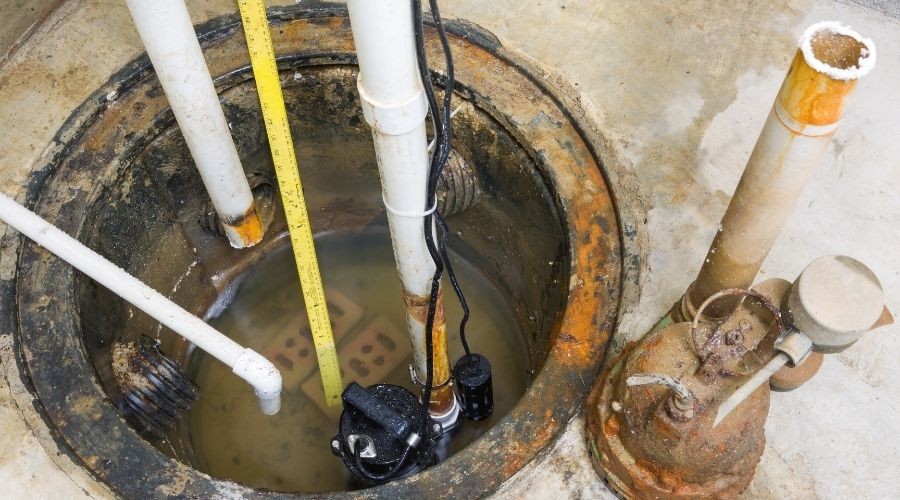
    Sump pumps are unique devices. Not all homes need one, as only some locations are prone to flooding. However, homeowners that live in a flood zone should look into sump pump services. Sump pumps are plumbing pumps placed in a sump pit on the lowest level of a home. Sump pits are round holes in the ground that collect water.

    As water floods and rises, the sensors of the sump pump machine notice and automatically will flush out the system with a strong motor. The water is pushed to a reservoir far away from home.

    The purpose of a sump pump is to prevent flooding in zones that are prone to floods. This is especially used as the seasons are warm and snow begins to melt. Without anywhere to go, the snow melts into the water and rises.

    What Are the Different Kinds of Pumps?

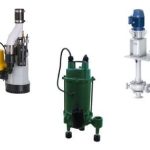
    different types of sump pumpsThere are two main types of sump pumps. While they are different, they have the same purpose and function; to prevent floods and push away rising water in the sump pit.

    The first sump pump is referred to as the submersible pump. This pump is the most common and affordable. The motor and entire machine are submerged into the sump pit. It does its job effectively but also breaks down quicker because of water damage.

    The second main type of sump pump is the pedestal pump. This pump is only partially submerged. The motor is upright on the outside of the pit. This is a more expensive model, and it is larger. However, it is less likely to wear and break quickly.

    Are Backup Sump Pumps Necessary?

    backup sump pumpSecondary pumps may be needed just in case the primary sump pump fails. There is always a chance that a unit may break, especially if it has not been used in months. Homeowners should schedule a replacement if the primary one stops working.
    The secondary or backup pump can be what saves a homeowner’s home. These are typically battery-operated, which is great when the power goes out. It offers double protection, which is necessary for a homeowner’s home as water damage can cause mold and deterioration.

    About Quahog Plumbing

    Quahog Plumbing has been serving western Massachusetts for more than 15 years. This experienced company thrives on its local connections, friendly customer service, and quality services with upfront pricing. Give them a call today for sump pump services in the Somerset, MA, area.

Experience You Can Trust

With over 15 years of experience in the plumbing industry, we are equipped to handle all sorts of problems- from routine drain cleanings to emergency repairs!

Licensed & Safe Plumbers

We’re not just in the service industry, we’re in the relationship business. We want to gain a relationship with the customer and we want to have that relationship for life.

Straightforward, Flat-Rate Pricing

We’ll always provide you with the price of the work before we begin. No surprises or hidden fees!