Rapid Service
Latest Technology
Over 15 Years of Experience
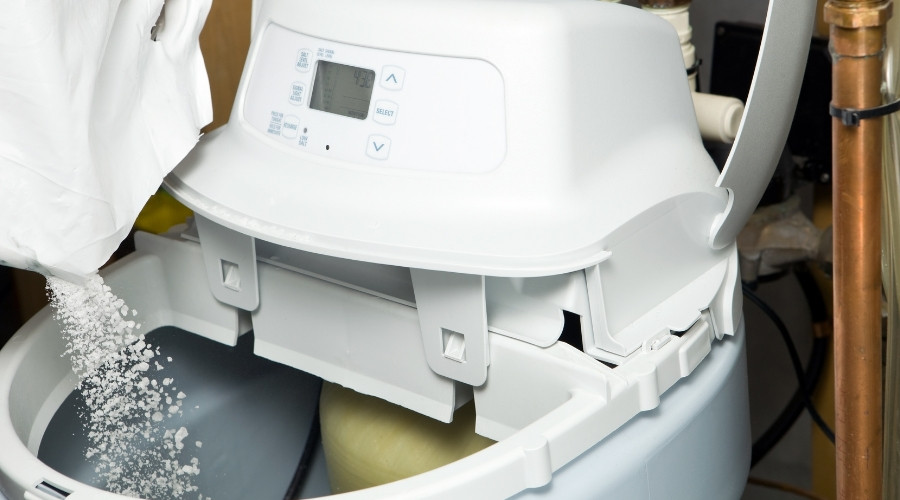
  • Water softener system with salt being added, featuring a digital control panel, highlighting solutions for hard water issues.

    When Is a Water Softener Installation Needed?

    Signs of Hard Water and Water Softeners Explained

    Considering a water softener installation? Persistent scale buildup, scratchy or faded laundry, and spotty dishes are classic signs of hard water at work. These issues can affect appliances, surfaces, and comfort, but determining whether a water softener is necessary can be straightforward. This guide outlines the signals to watch for that indicate hard water and how a water softener system can help improve overall water quality throughout the home.

    Signs Indicating Hard Water

    dry hair Recognizing hard water symptoms helps determine if water softener installation makes sense for a property. Mineral-rich water leaves clear clues across daily routines, from personal care to housekeeping tasks, and these signs often intensify over time.

    Skin and hair frequently provide immediate feedback. Hard water can strip natural oils, leaving skin feeling dry and hair looking dull or brittle after bathing. Because minerals interfere with soaps and shampoos, lathering may be reduced, and residue can remain.

    Kitchens and bathrooms typically reveal additional evidence. Glassware and dishes can exit the dishwasher with a cloudy film or white spots despite being washed. Faucets, showerheads, and appliance connections often collect chalky deposits that require frequent scrubbing. Over time, scale inside pipes may restrict flow, causing lower water pressure at fixtures and increasing stress on water-using appliances. Laundry can appear dingy and feel stiff due to minerals limiting detergent effectiveness and interacting with fabric fibers.

    How Does a Water Softener Work?

    A water softener installation addresses hardness, typically using ion exchange, the core method behind modern water softening. Inside a typical water softener system, a resin bed filled with tiny beads attracts calcium and magnesium as water passes through, exchanging those minerals for sodium ions. The result is softened water delivered to taps, fixtures, and appliances during normal use.

    Here’s how the water softening process generally functions:

    • Hard water moves into a mineral tank containing charged resin beads.
    • Calcium and magnesium ions adhere to the resin while sodium ions enter the water.
    • Softened water then flows onward through the plumbing system.
    • A regeneration cycle periodically rinses the tank with brine to clear captured minerals and recharge the resin.
    • When the resin becomes saturated, the system initiates regeneration—often automated by a controller that tracks usage. This cycle restores the resin’s capacity so the water softening system can continue providing consistent results without daily intervention.

    Benefits of Whole Home Water Softeners

    save money A water softener system can elevate water quality across the entire property and reduce the wear caused by mineral deposits. Hard water scale accumulates on plumbing and fixtures, gradually restricting flow and affecting equipment performance. Softened water helps minimize these deposits, reducing maintenance demands, improving efficiency, and extending the lifespan of water heaters, washing machines, dishwashers, and other appliances that use water, thereby helping to save money.

    Household tasks typically become easier with soft water in place. Glassware and dishes tend to emerge clearer, fixtures stay brighter with less scrubbing, and laundry often feels softer with colors that remain vivid longer. Many residents also report improved personal comfort, as soap and shampoo perform better when minerals are reduced, leaving skin feeling smoother and hair more manageable.

    For comprehensive coverage, a whole home water softener or whole house water softener treats water at the point of entry, providing softened water to every tap. Whether installed as a stand-alone water softener or integrated into a broader water treatment system, water softening helps protect plumbing, enhance daily comfort, and streamline upkeep.

    About Quahog Plumbing

    Quahog Plumbing is a trusted plumbing company that the communities of Somerset and the surrounding areas rely on. They provide straightforward pricing on same-day service from trustworthy plumbers. Call them today for water softener installation and services in Somerset, MA.
  • Perks of a Tankless Water Heater Installation

    Thinking About Going Tankless? Here Are the Benefits

    Making changes to the home for the new year may no longer be a novel resolution, but deciding to upgrade to a tankless water heater can be beneficial. Conventional storage water heaters have long ruled the majority of American homes, and most homeowners tend to go with what’s tried and tested. However, there are many reasons why tankless water heaters continue to gain traction and are fast becoming a reliable choice for water heating. Here are the advantages of installing a tankless water heater. 

    Improves Energy Efficiency and Lowers Costs

    save money Tankless water heaters are incredibly energy-efficient and have a leg up over traditional storage tank water heaters in efficiency and lower water heating costs. Although the initial cost for installation of tankless or instantaneous water heaters is more expensive than storage water heaters, they can save homeowners money on their monthly energy bills. 

    This is because tankless water heaters consume energy only when the hot water tap is turned on, unlike conventional water heaters, which continually use energy to keep the water in its storage tank hot and ready for use in case it is needed. This on-demand water heating feature creates efficiency in energy consumption that simply cannot be matched by storage-type water heaters. 

    More Hot Water Supply While Taking up Less Space

    tankless water heaterBecause tankless water heaters can create hot water as needed, they provide a hot water supply that is not only virtually unlimited but also extremely reliable. The days when homeowners had to put up with cold showers simply because their water heaters didn’t have enough hot water left in the tank are no longer a reality. 

    Here’s another great thing about the tankless water heater - its lack of a storage tank makes it smaller, more compact, and easier to install in homes and places where space is an issue. Apartments or condos, tiny houses, older homes whose water heating systems can no longer be updated, or any home can all benefit from a tankless water heater’s more manageable size. 

    Longer Life Expectancy 

    Tankless water heaters have an average life expectancy of over 20 years, so it’s not difficult to see that a tankless water heater will make a worthwhile investment, considering storage water heaters last an average of 10 to 15 years. A tankless water heater's lifespan is longer than the average length of homeownership in the U.S. 

    The longer life expectancy of a tankless water heater can also lead to more savings for homeowners. In addition to the lower water heating costs, fewer water heater replacements mean less money spent on the costly, time-consuming, and sometimes inconvenient scenario of replacing an existing water heater. 

    About Quahog Plumbing

    Quahog Plumbing provides expert and trustworthy plumbing services in Somerset, MA, and the surrounding areas. With over 15 years of experience, their team of licensed and knowledgeable plumbers offers rapid service, flat-rate pricing, and the latest technology. Call them today for tankless water heater installation in Somerset, MA.

  • Why Sump Pump Installation Could Make the Best Gift This Holiday Season

    Sump Pumps Protect Homes and Property

    A sump pump is a small yet powerful pump used to remove water that has accumulated in the basement of a home or building. Water entering the house can be caused by various factors, such as heavy rain, melting snow, a burst pipe, or excess groundwater seeping into the home's foundation. The primary purpose of a sump pump is to prevent flooding and water damage by pumping the excess water out and away from the house. This post will discuss the benefits of sump pump installation and the different types of sump pumps. 

    Benefits of Installing a Sump Pump

    But why install a sump pump in the first place? The answer is easy. Sump pumps protect homes from flooding and the consequences of water getting into the house, such as water damage, mold growth, and expensive water damage repairs. Preventing water damage also helps protect the home’s structural integrity. 

    Sump pumps are installed in a sump pit or a sump basin that is located in the lowest part of the home. The basin is where water collects, and when the water level in the basin rises, it activates the sump pump float switch, which then signals the sump pump to start drawing water out of the house towards a safe drainage system. This automatic system is beneficial because it doesn’t need to be turned on manually and can protect the home even when homeowners are away. 

    Primary Sump Pumps

    sump pumpsMost homes will require a primary sump pump that becomes operational when excess water is detected. The two types of primary sump pumps are a submersible sump pump and a pedestal sump pump. Both do the job of forcing out excess water from the sump basin, but they differ in how the pump motor is mounted and their pros and cons.

    Submersible sump pumps are the more powerful of the two and operate quieter, but they are more expensive and have a shorter lifespan. Pedestal sump pumps, on the other hand, have a motor located above the sump pit, allowing for easier access to the motor for repair. But because of its location, it is louder. It is also less powerful but has a lower cost and a longer lifespan. 

    Sump Pump Backups

    backup sump pumpMost primary sump pumps do an adequate job of pumping out water and preventing flooding. However, homes that are particularly susceptible to large amounts of rainfall, snowmelt, or power outages may want to invest in a backup for their sump pump. They take over protecting the home from flooding in case of the main pump’s failure or if the primary pump loses power. 

    The most popular of the sump pump backup options is a battery-operated backup for the sump pump due to its easier installation and lower cost. A water-powered sump pump backup is another option that can run as long as there is a working water supply. They have a longer lifespan than battery backups but are more expensive. 

    About Quahog Plumbing 

    Quahog Plumbing has been serving Somerset, MA, and the surrounding areas for over 15 years. They provide same-day services, flat rate pricing, and the latest technology. Call them today for sump pump services in Somerset, MA. 

Experience You Can Trust

With over 15 years of experience in the plumbing industry, we are equipped to handle all sorts of problems- from routine drain cleanings to emergency repairs!

Licensed & Safe Plumbers

We’re not just in the service industry, we’re in the relationship business. We want to gain a relationship with the customer and we want to have that relationship for life.

Straightforward, Flat-Rate Pricing

We’ll always provide you with the price of the work before we begin. No surprises or hidden fees!