
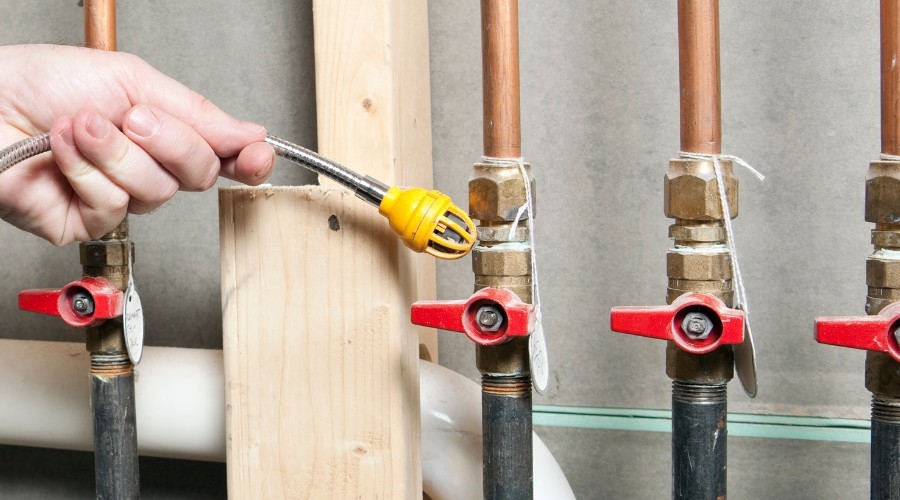
How to Identify and Respond to Dangerous Gas Leaks
Natural gas provides efficient fuel for furnaces, water heaters, stoves, and dryers, but any leak in a gas line can create an immediate safety threat. Gas that escapes into living spaces or soil around a building can ignite easily and can also affect health when inhaled in high concentrations. Learning how to recognize gas leak symptoms quickly, understanding the most common warning signs, and knowing the correct emergency response steps gives households a better chance to avoid fire, explosion, or illness. The sections below cover the main dangers associated with gas leaks, practical indicators to watch for, and a simple plan for staying safe until professionals complete gas leak detection and permanent gas leak repair.
Dangers of a Gas Leak
A gas leak releases flammable fuel into areas where it does not belong. In enclosed spaces, even a modest leak can allow natural gas to accumulate near ceilings, in basements, or around pilot lights and appliances. Any spark, from a switch, lighter, or static discharge, can ignite the gas and potentially cause fire or an explosion that damages property and endangers lives.
Health risks are another concern. Breathing high levels of gas can reduce the amount of oxygen available, which may lead to headaches, dizziness, nausea, fatigue, or confusion. Prolonged exposure in extreme situations can cause loss of consciousness. Because natural gas itself is odorless, utilities add a strong sulfur‑like scent to help residents notice leaks earlier, but that warning only works if households understand what the smell means and respond immediately.
Signs of a Gas Leak
 Recognizing the early signs of a gas leak can prevent a minor issue from escalating. Common indicators include:
- A distinct rotten‑egg or sulfur odor in indoor spaces or near outdoor gas meters
- Hissing or whistling sounds close to a gas line, valve, appliance, or meter
- Bubbles in standing water above buried piping
- Dead or discolored grass, or a strip of dying vegetation along the underground gas route
- Houseplants that yellow or die for no clear reason
- An unexplained increase in the monthly gas bill
Physical gas leak symptoms, such as headaches, dizziness, or nausea that improve after leaving the building, can also signal a problem. Any combination of these clues warrants an immediate safety response.
Responding to a Gas Leak
 Once signs of a leak appear, safety comes before investigation. Everyone, including pets, should leave the structure right away, moving to a safe distance from the building and any outdoor gas equipment. While exiting, residents should avoid creating sparks: do not light matches or candles, smoke, adjust thermostats, flip light switches, or use phones inside the affected area.
From a safe location outdoors, the gas utility should be contacted so crews can shut off the supply and secure the site. Emergency services may need notification if the leak is strong or if symptoms appear. After the area is deemed safe, licensed plumbers can perform detailed gas leak detection, locate damaged sections of the gas line, and carry out gas line repair or full replacement so the system operates safely again. DIY attempts at gas leak repair are never recommended because improper work on a gas line can restore fuel flow without eliminating the underlying hazard.
About Quahog Plumbing
Quahog Plumbing is a trusted plumbing and heating company providing rapid service throughout Somerset and the surrounding areas. They offer a customer satisfaction guarantee backed by straightforward pricing and expert service from licensed plumbers. Call them today for gas leak detection in Somerset, MA.

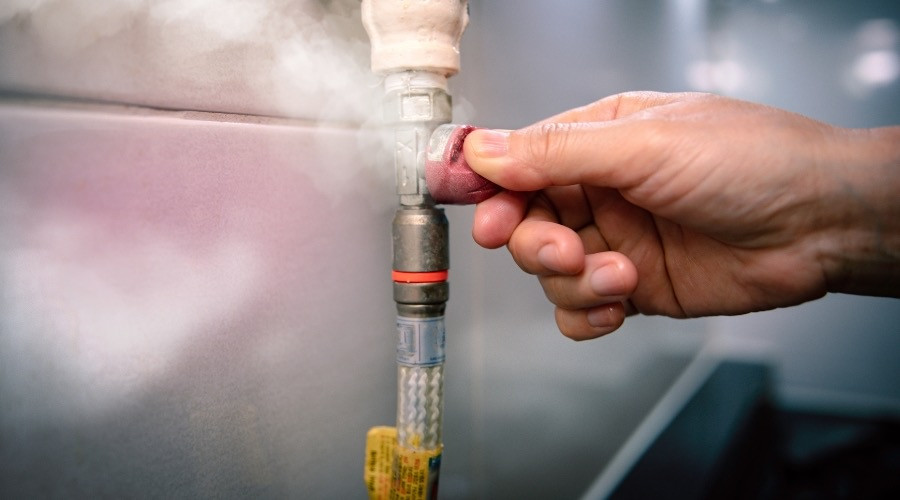
 Identifying a gas leak early is crucial for safety. While natural gas is naturally odorless, utility companies add a distinct odorant called mercaptan, which
 If someone suspects a gas leak, immediate action is vital for safety. The very first step is to evacuate everyone from the house without delay. Once at a safe distance from the building, use a cell phone to call the gas company's emergency line to report the leak and request that they shut off the gas supply. Additionally, contact a professional for gas line repair.


 High water bills aren’t the only sign that can alert homeowners to a water leak in their homes. Some other common signs of water leaks include:
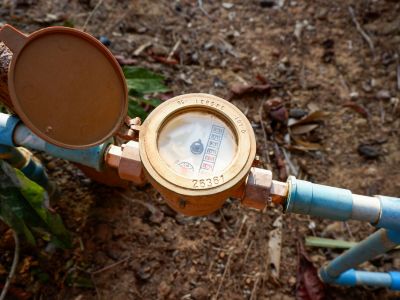 The home’s water meter can also serve as a tool for identifying hidden water leaks in the plumbing. Testing for leaks using a water meter requires just a few straightforward steps. First, turn off all water-using appliances and fixtures in the home, including washing machines, dishwashers, faucets, and more. Next, locate the water meter and record the current reading. Wait at least an hour without using any water, then recheck the meter’s reading. Because no water was used during this period, the reading shouldn’t change. If it has, it signals a leak.
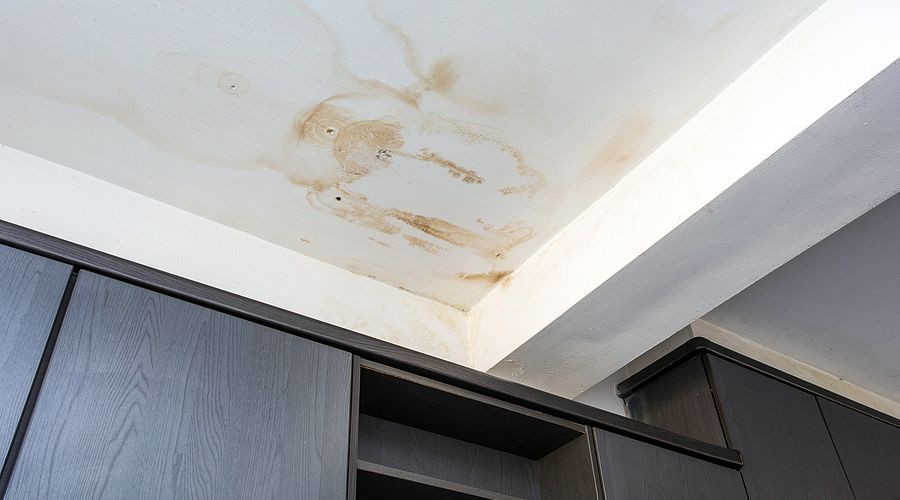
 One other indicator that the household has a water leak is an unusually
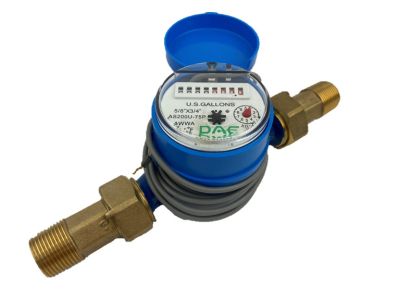 Another way a homeowner can identify a water leak or confirm the presence of a leak when they believe they have one is by using their


 A gas leak is extremely dangerous. When there is a natural gas leak, there is a risk of fire or an explosion if a spark or flame ignites the gas. Additionally, many physical symptoms of a gas leak can occur. Some

