Rapid Service
Latest Technology
Over 15 Years of Experience
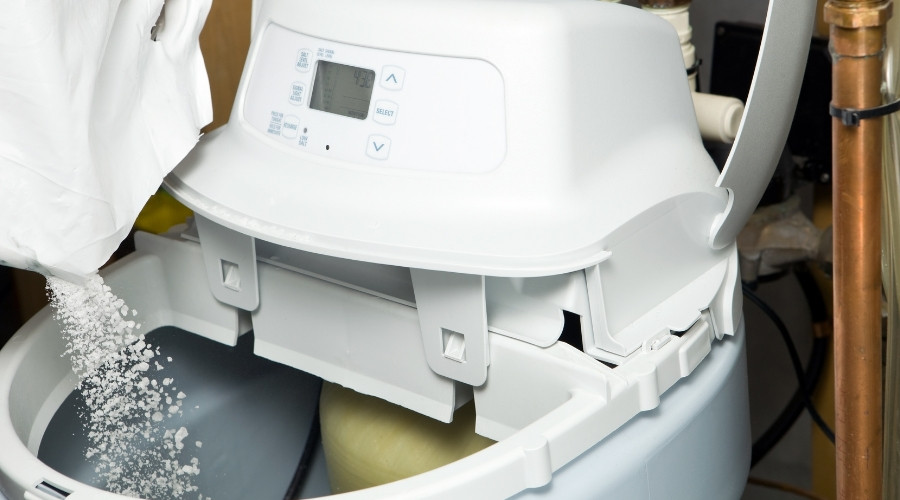
  • Water softener system with salt being added, featuring a digital control panel, highlighting solutions for hard water issues.

    When Is a Water Softener Installation Needed?

    Signs of Hard Water and Water Softeners Explained

    Considering a water softener installation? Persistent scale buildup, scratchy or faded laundry, and spotty dishes are classic signs of hard water at work. These issues can affect appliances, surfaces, and comfort, but determining whether a water softener is necessary can be straightforward. This guide outlines the signals to watch for that indicate hard water and how a water softener system can help improve overall water quality throughout the home.

    Signs Indicating Hard Water

    dry hair Recognizing hard water symptoms helps determine if water softener installation makes sense for a property. Mineral-rich water leaves clear clues across daily routines, from personal care to housekeeping tasks, and these signs often intensify over time.

    Skin and hair frequently provide immediate feedback. Hard water can strip natural oils, leaving skin feeling dry and hair looking dull or brittle after bathing. Because minerals interfere with soaps and shampoos, lathering may be reduced, and residue can remain.

    Kitchens and bathrooms typically reveal additional evidence. Glassware and dishes can exit the dishwasher with a cloudy film or white spots despite being washed. Faucets, showerheads, and appliance connections often collect chalky deposits that require frequent scrubbing. Over time, scale inside pipes may restrict flow, causing lower water pressure at fixtures and increasing stress on water-using appliances. Laundry can appear dingy and feel stiff due to minerals limiting detergent effectiveness and interacting with fabric fibers.

    How Does a Water Softener Work?

    A water softener installation addresses hardness, typically using ion exchange, the core method behind modern water softening. Inside a typical water softener system, a resin bed filled with tiny beads attracts calcium and magnesium as water passes through, exchanging those minerals for sodium ions. The result is softened water delivered to taps, fixtures, and appliances during normal use.

    Here’s how the water softening process generally functions:

    • Hard water moves into a mineral tank containing charged resin beads.
    • Calcium and magnesium ions adhere to the resin while sodium ions enter the water.
    • Softened water then flows onward through the plumbing system.
    • A regeneration cycle periodically rinses the tank with brine to clear captured minerals and recharge the resin.
    • When the resin becomes saturated, the system initiates regeneration—often automated by a controller that tracks usage. This cycle restores the resin’s capacity so the water softening system can continue providing consistent results without daily intervention.

    Benefits of Whole Home Water Softeners

    save money A water softener system can elevate water quality across the entire property and reduce the wear caused by mineral deposits. Hard water scale accumulates on plumbing and fixtures, gradually restricting flow and affecting equipment performance. Softened water helps minimize these deposits, reducing maintenance demands, improving efficiency, and extending the lifespan of water heaters, washing machines, dishwashers, and other appliances that use water, thereby helping to save money.

    Household tasks typically become easier with soft water in place. Glassware and dishes tend to emerge clearer, fixtures stay brighter with less scrubbing, and laundry often feels softer with colors that remain vivid longer. Many residents also report improved personal comfort, as soap and shampoo perform better when minerals are reduced, leaving skin feeling smoother and hair more manageable.

    For comprehensive coverage, a whole home water softener or whole house water softener treats water at the point of entry, providing softened water to every tap. Whether installed as a stand-alone water softener or integrated into a broader water treatment system, water softening helps protect plumbing, enhance daily comfort, and streamline upkeep.

    About Quahog Plumbing

    Quahog Plumbing is a trusted plumbing company that the communities of Somerset and the surrounding areas rely on. They provide straightforward pricing on same-day service from trustworthy plumbers. Call them today for water softener installation and services in Somerset, MA.
  • Benefits of a Water Softener System at Home

    Why Install a Water Softener?

    A water softener improves the quality of the water entering the home by removing minerals that make hard water. Although the hard water minerals aren’t dangerous, there are many negative effects when a home has hard water. It can wreak havoc on pipes and appliances within the home and reduces the effectiveness of soap. This article will share reasons why a water softener is beneficial if a home has hard water.  

    Water Softeners Provide Better Cleaning 

    hard water Hard water, containing high levels of minerals like calcium and magnesium, can impede household chores, leading to inefficiencies and challenges in maintaining home cleanliness. After washing dishes in hard water, people may notice spotting and film residue, which detracts from their sparkling finish. Likewise, bathroom fixtures often fall victim to unsightly stains and mineral deposits that demand rigorous scrubbing. Clothes are not spared either, as washing them in hard water can lead to dullness and a reduced lifespan of fabrics. 

    Installing a water softening system is a practical solution to combat these issues from hard water. Water softeners make soaps more effective and facilitate more effective cleaning, culminating in spotless dishes, pristine bathroom surfaces, and clothes that remain vibrant and endure through countless washes. 

    Water Softening Protects the Plumbing and Appliances

    Hard water can also significantly contribute to the increased wear and tear on plumbing systems and water-using appliances. As it travels through pipes and appliances that use water, hard water can deposit minerals, leading to scale buildup that restricts water flow and reduces efficiency. In appliances like water heaters, these mineral deposits can accelerate corrosion, reduce heating effectiveness, hurt efficiency, and ultimately shorten the appliance's lifespan. 

    Installing a water softener system mitigates these issues by removing excess minerals from the water, thereby preventing scale deposits, enhancing appliance efficiency, and extending the operational lifespan of both plumbing systems and appliances. Not only can money be saved with improved efficiency and lower energy bills, but fewer replacements with a longer lifespan will also save money. 

    Water Softener Installation Can Help Skin and Hair

    dry air Skin and hair health is also greatly influenced by the quality of water used during bathing and showering. Hard water, which contains high levels of minerals, can strip moisture from skin and hair, leading to dryness, flakiness, and irritation. It can also make hair appear dull and more susceptible to breakage. 

    The installation of a water softener, which removes these harsh minerals, can result in significantly softer and more hydrated skin and hair. With softened water, individuals may notice a decrease in itchiness and dryness, leaving their skin and hair looking healthier and more vibrant.

    About Quahog Plumbing

    Quahog Plumbing has been serving Somerset, MA, and the surrounding areas for over 15 years. They provide rapid service, straightforward pricing, and the latest technology. Call them today for water softener installation in Somerset, MA. 

  • Do You Need to Install a Water Softener?

    What Is Hard Water?

    Most people have heard of hard water, but many don’t understand its meaning and importance. Isn’t water pretty soft, being a liquid? Hard water doesn’t refer to the physical properties of water but rather the chemical properties. 

    Every drop of water a home uses is taken from a natural source, be it a river, reservoir, or aquifer. These natural water sources are subject to extensive cycles and can expose water to different geological features. As water interacts with the geology it comes into contact with, it can pick up sediment and minerals from the bedrock. 

    These minerals contribute to undesirable qualities that are connoted with the term hard water. Put simply, hard water refers to the amount of minerals like calcium and magnesium ions dissolved into the water. These sediments and minerals have huge implications to the point it may be advantageous to remove them. Here is a quick article about water softeners, how they work, and why they may be necessary for the plumbing in a home. 

    How Do Water Softeners Work? 

    water softenerWater softeners are the system of choice for reducing the mineral content of hard water, which can be saturated with calcium and magnesium. Water softeners use a special resin that attracts the calcium and magnesium ions. The resin binds the ions so that it is deemed soft as the water flows out of the resin bed. 

    In a typical water softening system, the resin bed is contained in a tank, through which all the water in a home will flow through. This allows people in the house to always have access to higher quality water and protect their plumbing from the consequences of having too many minerals in the water. 

    Signs of Hard Water in a Home 

    waterNow that hard water has been discussed, why must it be avoided? Most homes in the U.S. have water that is deemed hard. While some minerals in the water are okay, too many can be harmful to the home’s plumbing, the household, and residents. Some of the signs of hard water in homes that indicate the need for water softener installation are: 

    • Water tastes or smells off
    • Spotted glasses and dishes in the dishwasher after washing
    • Faded or rough-feeling clothes after washing
    • Premature failure of the water heater or other water-using appliances
    • Crusty, white buildup on plumbing fixtures 
    • Dull or dry hair and skin

    Whole-Home Water Softeners and Their Benefits 

    Removing sediment and minerals from the water supply in a home with a whole-house water softener can be a great thing. Some of the advantages of installing a water softener are: 

    • Reduction in plumbing repairs
    • Restoring water pressure by removing the scale buildup inside pipes
    • Prolonged life of water using appliances and plumbing fixtures 
    • Longer lasting clothing
    • Cleaner dishes after washing
    • Healthier and more hydrated skin and hair 

    If the signs of hard water are present or plumbing repair costs have gotten too high, a water softener may be able to help. For more information, contact local plumbers who can explain the advantages of a water softener to combat the effects of hard water. 

    About Quahog Plumbing

    Quahog Plumbing has more than 15 years of experience serving Somerset and the surrounding areas. They offer straightforward pricing, rapid service, and the latest technology. Call them today for water softener installation in Somerset, MA.

Experience You Can Trust

With over 15 years of experience in the plumbing industry, we are equipped to handle all sorts of problems- from routine drain cleanings to emergency repairs!

Licensed & Safe Plumbers

We’re not just in the service industry, we’re in the relationship business. We want to gain a relationship with the customer and we want to have that relationship for life.

Straightforward, Flat-Rate Pricing

We’ll always provide you with the price of the work before we begin. No surprises or hidden fees!