Understanding and Fixing the Banging Sound From Pipes
People may hear a loud banging sound echoing through their walls immediately after a faucet is turned off or a dishwasher or washing machine completes a fill cycle. While it may seem like a minor annoyance, these sounds are a sign of a plumbing issue called water hammer that can lead to more serious problems and damage if left unaddressed. This guide to water hammer explains what it is and why it occurs, the risks of ignoring it, and how plumbers can address it.
What Is Water Hammer and Why Does It Happen?
 Water hammer, also known as hydraulic shock, occurs when the momentum of water flowing through the plumbing system is abruptly stopped or forced to change direction. The abrupt stop or change in direction creates a high-intensity pressure surge that can cause the pipes to move and even strike against the wooden framing of the house.
Water hammer and the loud sounds homeowners hear can be caused by issues like:
- Quick-Closing Valves: New appliances like dishwashers and washing machines can use solenoid valves that snap shut instantly, which may cause water to stop and change direction too quickly.
- High Water Pressure: When the water pressure is too high, water hammer and the force of the resulting shock waves can be greatly intensified.
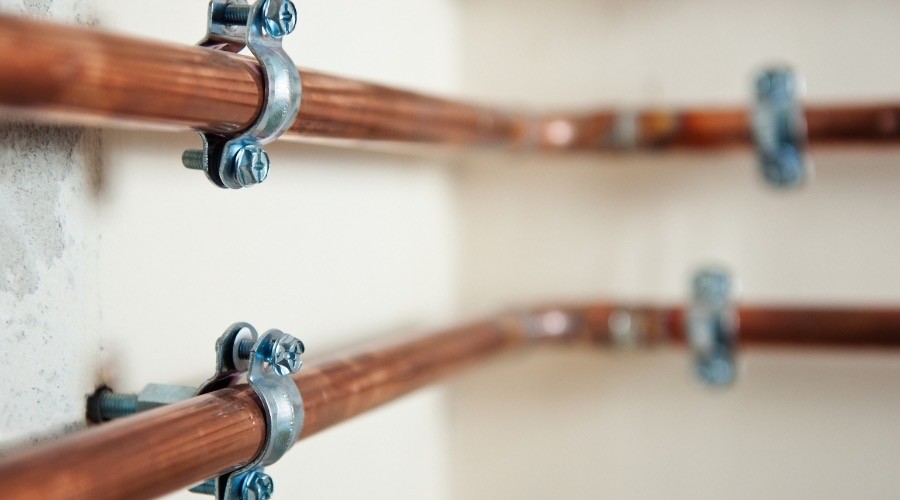
- Loose Pipes: Piping that is not properly secured has greater freedom to move, which can worsen noise and vibration caused by hydraulic shock.
- Clogged Air Chambers: Plumbing systems may use vertical pipe sections intended to act as cushions to absorb pressure, but when they become clogged, they lose their ability to absorb impact.
The Risks of Ignoring Water Hammer
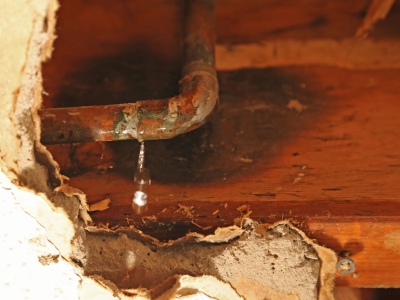 While banging noises are the most obvious sign of water hammer, it’s not the greatest risk. The repetitive physical stress placed on the piping is the greatest concern. Each occurrence of hydraulic shock puts immense strain on the joints, fittings, and pipe supports throughout the home.
Over time, this constant stress can weaken the infrastructure, leading to water leaks or even burst pipes. Such failures can cause extensive water damage to the home, which is costly to repair. These high-pressure waves can also damage sensitive internal components of expensive water-using appliances.
Common Fixes for Water Hammer
Identifying the specific causes of hydraulic shock requires specialized knowledge and equipment, so the most effective way to resolve it and prevent leaks, burst pipes, and water damage is to contact a professional after hearing banging pipes. A plumber can determine the underlying factors that are causing it and recommend the best solutions to protect the home.
Potential solutions for resolving water hammer may include installing water hammer arrestors, which contain a spring-loaded piston or sealed air chamber to dissipate energy and prevent vibrations. They can also test the home's water pressure and, if necessary, adjust it or replace a broken water pressure regulator. Additionally, securing loose pipes can significantly reduce noise and the movement that leads to wear and tear.
About Quahog Plumbing
Quahog Plumbing has more than 15 years of experience serving the Somerset community and the surrounding areas. They provide rapid, same-day services, flat-rate pricing, and the latest technology. Call for plumbing services in Somerset, MA.
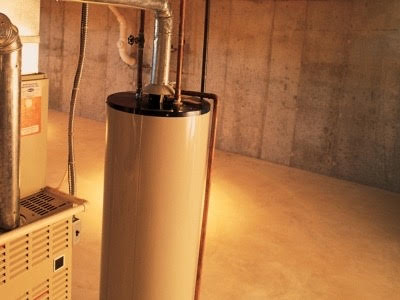
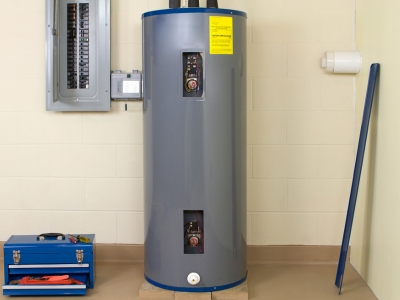 Electric water heaters, known for their straightforward installation and enhanced safety features, also have considerations that must be weighed against their benefits.
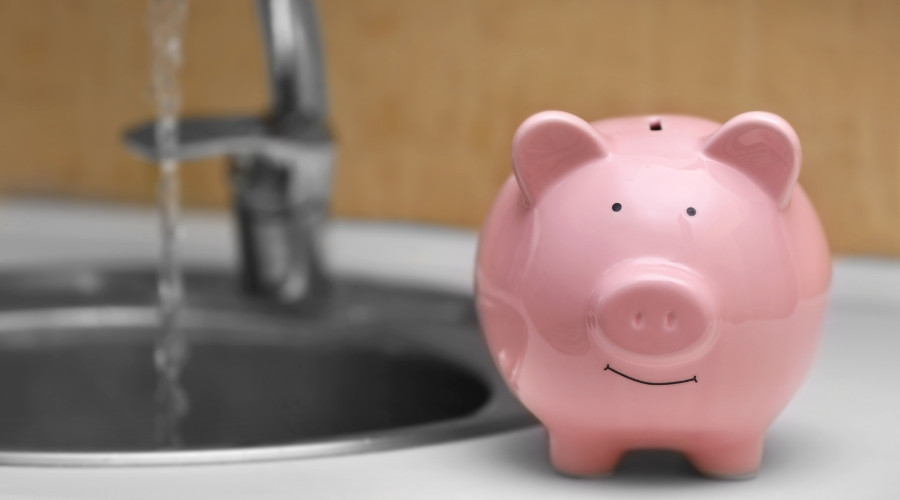
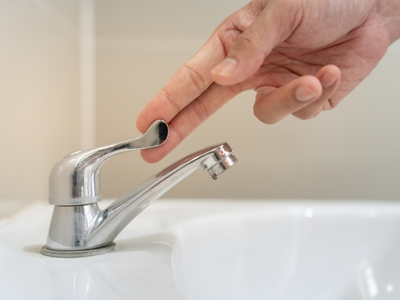 Minor adjustments to daily routines that involve water can result in substantial water conservation over time and lower water costs. Inside the house, simple actions such as turning off the tap while brushing teeth or shaving are effective. When tackling dirty dishes, use an energy-efficient dishwasher and run it only when it's full. Modern dishwashers typically use much less water than handwashing, especially when water is left running during scrubbing.
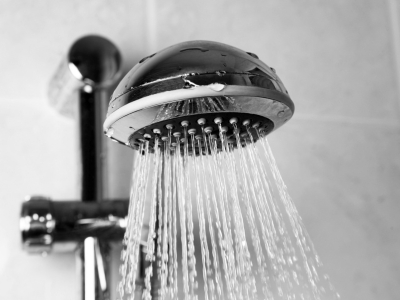 An important strategy for achieving long-term water and cost savings is to replace old fixtures with water-efficient plumbing fixtures. Current water-saving fixtures are engineered for efficiency without sacrificing performance. For example, replacing an old showerhead or faucet with a low-flow showerhead and a low-flow faucet or faucet aerator can reduce water use while maintaining satisfying water pressure.

 Recognizing
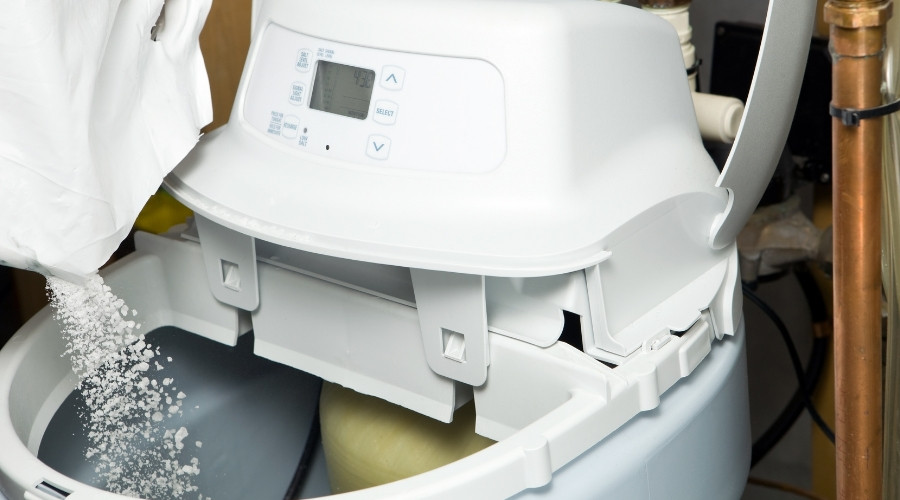
 A water softener system can elevate water quality across the entire property and reduce the wear caused by mineral deposits. Hard water scale accumulates on plumbing and fixtures, gradually restricting flow and affecting equipment performance. Softened water helps minimize these deposits, reducing maintenance demands, improving efficiency, and extending the lifespan of water heaters, washing machines, dishwashers, and other appliances that use water, thereby helping to save money.
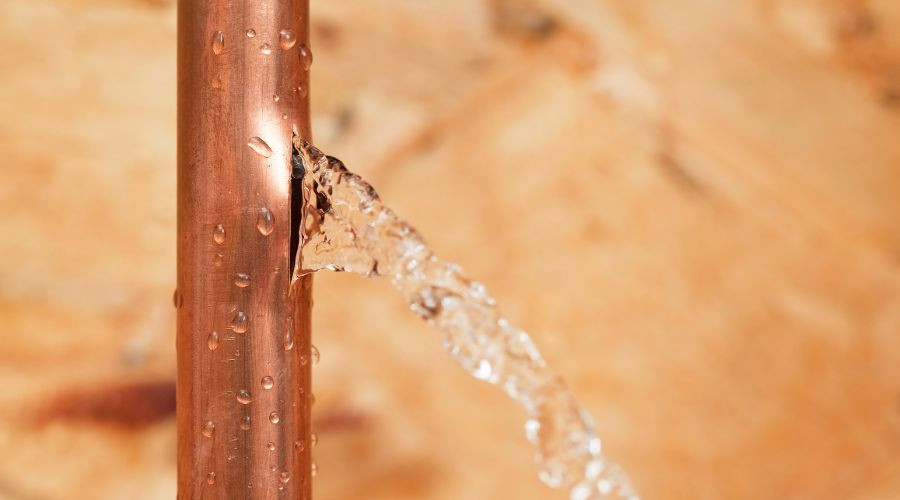
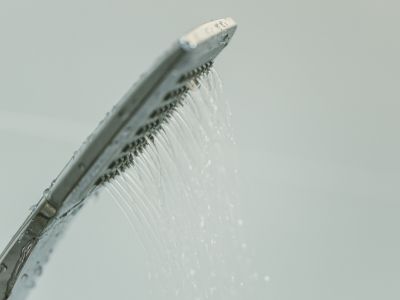 High water bills aren’t the only sign that can alert homeowners to a water leak in their homes. Some other common signs of water leaks include:
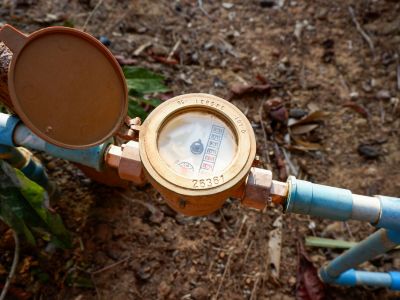 The home’s water meter can also serve as a tool for identifying hidden water leaks in the plumbing. Testing for leaks using a water meter requires just a few straightforward steps. First, turn off all water-using appliances and fixtures in the home, including washing machines, dishwashers, faucets, and more. Next, locate the water meter and record the current reading. Wait at least an hour without using any water, then recheck the meter’s reading. Because no water was used during this period, the reading shouldn’t change. If it has, it signals a leak.