Rapid Service
Latest Technology
Over 15 Years of Experience
  • Possible Reasons for Low Water Pressure in the House

    What Causes Poor Water Pressure?

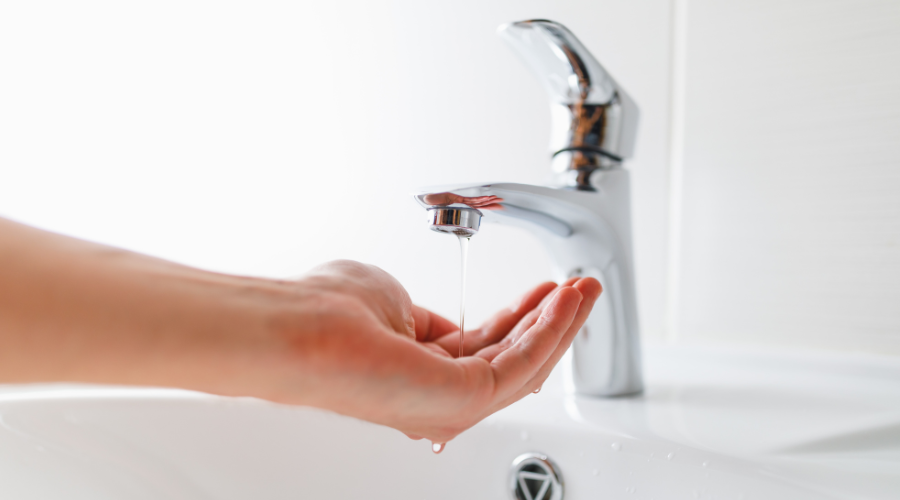
    If household residents are frustrated with poor water pressure from plumbing fixtures, they may be wondering what is causing it. It’s important to investigate low water pressure because it can indicate an underlying problem with the home’s plumbing, such as a water leak. This post will discuss some possible causes of low water pressure.

    Faulty Fixtures or Closed Valves 
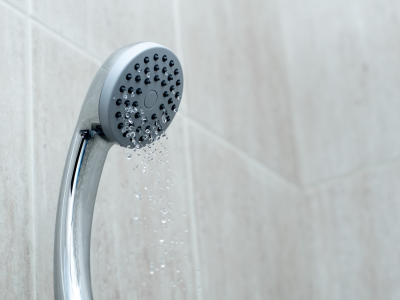
    shower head Diagnosing low water pressure often starts with determining whether the problem affects a single fixture or the entire home. When water pressure decreases at just one fixture, like a faucet or showerhead, the issue typically lies with that specific fixture. Mineral buildup can gradually clog and restrict water flow in the fixture. This localized pressure problem usually has a straightforward fix. Cleaning or replacing the affected fixture can restore normal water flow.

    However, when experiencing weaker water pressure throughout the house, partially closed valves could be the culprit. After recent plumbing or maintenance work, the main water shutoff valve or water meter valve might have been accidentally left in a partially closed position. These critical control points regulate water flow to the entire property. Homeowners can check these valves before calling a plumber to see if that fixes the home’s water pressure issues. Finding and fully opening these valves may provide an immediate pressure boost without professional assistance.

    Water Leaks
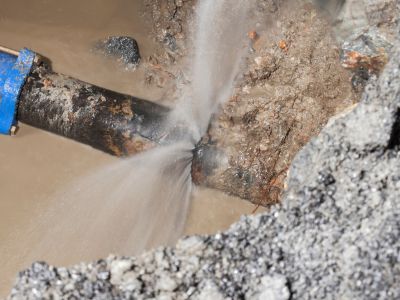
    leak Water leaks can also reduce water pressure throughout a home’s fixtures. When pipes develop cracks or connections fail and water leaks from the line, some water escapes before reaching its intended destination. This diverted water flow means less water pressure at fixtures. Besides reduced water pressure, other signs can also point to a water leak, such as high water bills and the sound of water running when plumbing fixtures are turned off.

    If homeowners suspect a leak due to low water pressure or other signs, they should call a plumber immediately. Professional water leak detection can identify these hidden leaks before they cause any more damage. Water continuously seeping from damaged pipes can damage the home and foundation, create mold problems, and spike water bills. Normal water pressure should be restored once the water leak repair is complete.

    Clogs and Buildup 

    Buildup and clogs in the water lines can also cause low water pressure from fixtures. Over time, water lines can accumulate debris, sediment, and mineral deposits that gradually restrict water flow. This buildup creates narrower pathways for water to travel through. The result is weaker water pressure when people turn on their faucets or showers.

    The aging process of pipes can also significantly contribute to clog formation. Older pipes are particularly susceptible to internal corrosion, which creates rough surfaces where minerals and debris can more easily attach. Additionally, homes with hard water can experience accelerated buildup because hard water contains high concentrations of minerals such as calcium and magnesium. Not only can plumbers fix a household’s water pressure issues, but they can also install a water softener to soften hard water.

    About Quahog Plumbing

    Quahog Plumbing is a trusted plumbing company that has been serving the Somerset community for more than 15 years. They provide rapid service, straightforward pricing, and the latest technology. Call them for plumbing services in Somerset, MA.
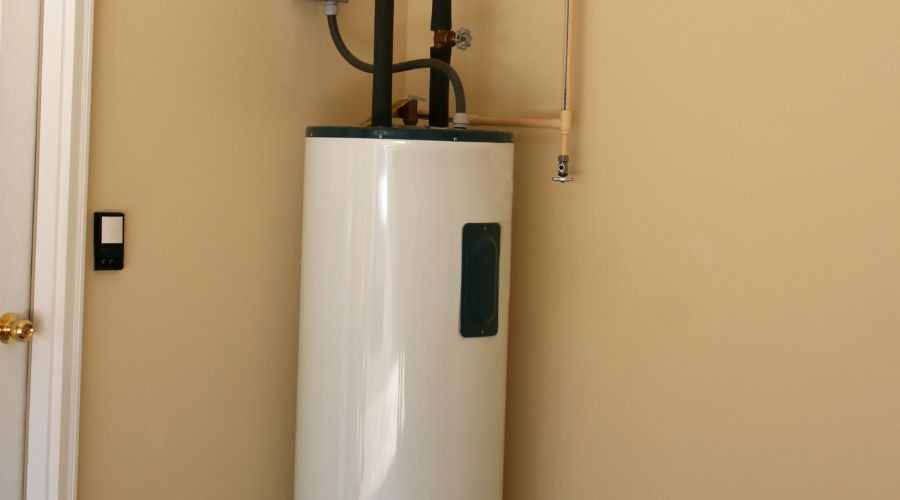
  • Things That Homeowners Should Know About Water Heater Replacement

    A Quick Guide to Water Heater Replacement 

    Nobody wants to get stuck without hot water. Luckily, there are signs homeowners can watch out for indicating water heater replacement is needed. This water heater replacement guide will share some important basics to know about replacing a water heater, including signs it’s needed, its benefits, and choosing between a gas and electric water heater. 

    Signs That Water Heater Replacement Is Needed

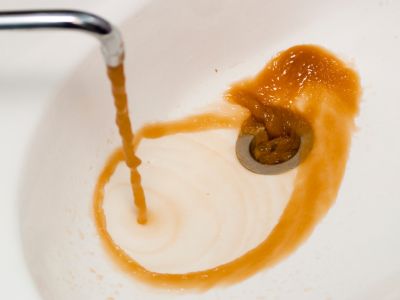
    dirty water A water heater works hard, providing hot water for the household, until it can't anymore. However, water heaters show signs they need replacing before this point. Recognizing the signs indicating water heater replacement is needed and calling a plumber for a new water heater installation can help prevent unexpected cold showers, leaks, and more problems.

    One clear sign to replace a water heater is corrosion. However, besides visible rust and corrosion on the water heater, other signs of a corroded water heater can include rusty or discolored water flowing from hot water taps and hot water with a metallic smell. The deterioration of a water heater due to corrosion not only affects the hot water quality but can also lead to leaks and water damage. 

    A water heater’s age can also indicate that replacement is needed. Most conventional water heaters last about 8-12 years, so when the water heater has been in service for over 10 years, it may be time for a replacement. Another sign of an aging water heater that can indicate replacement is needed is high utility costs, as the energy efficiency of a water heater declines over time. Other unmistakable indicators to call for water heater replacement include a leaking water heater, insufficient hot water for the household's needs, and units that need frequent repairs.

    Benefits of Water Heater Replacement

    save money Replacing an old water heater and installing a new high-efficiency water heater can deliver immediate advantages. A new, efficient water heater installation improves energy efficiency and reduces water heating costs. According to Energy Star, water heating accounts for around 15% of the energy used in a household, and high-efficiency models can use 10-50% less energy than conventional water heaters. So, replacing an old water heater that has decreased in efficiency due to aging and installing a high-efficiency one can save money on utility bills.
    Additionally, with a new water heater that is more reliable and has a lower risk of needing repair, homeowners can also save on repair costs associated with aging systems that can experience more problems. Beyond the monetary advantages, having a more reliable water heater can prevent cold showers and discomfort from water heater problems, and new water heaters can offer faster recovery rates, meaning less waiting between showers when multiple people need hot water. Modern units can also deliver more consistent water temperatures without the fluctuations common in aging systems. 

    Choosing Between an Electric and Gas Water Heater

    One decision that needs to be made before a new water heater installation is whether to install a gas or electric water heater. Both types offer distinct advantages, so the best choice for a home will depend on what homeowners prefer and factors like the installation cost, monthly operating costs, household size, and more. Plumbers can also help homeowners make an informed decision.

    Electric water heaters cost less upfront than gas models and are easier to install. Safety represents another significant advantage of an electric water heater installation. Unlike gas water heaters, electric models don’t use natural gas to heat water, eliminating combustion concerns and carbon monoxide risks. 

    Gas water heaters, while more expensive initially, can deliver superior long-term value through lower operational costs, saving homeowners money on monthly water heating costs. A gas water heater installation is also beneficial due to their fast heating times and high heating capacity, making them great for large households. 

    About Quahog Plumbing

    Quahog Plumbing has more than 15 years of experience serving the Somerset community. They provide straightforward pricing, same-day services, and a 100% satisfaction guarantee. Call them for water heater installation and repair services in Somerset, MA. 

  • The Basics of Water Filtration Systems and Their Benefits

    The Importance of Installing a Whole House Water Filter

    Getting a water filtration system installed can instantly transform a home’s water, ensuring it’s cleaner and safer to consume. They allow households to have water free from harmful contaminants and avoid having to buy bottled water. This guide will discuss water filtration system installation, including what it does, its advantages, and signs it's needed. 

    What Does a Water Filtration System Do?

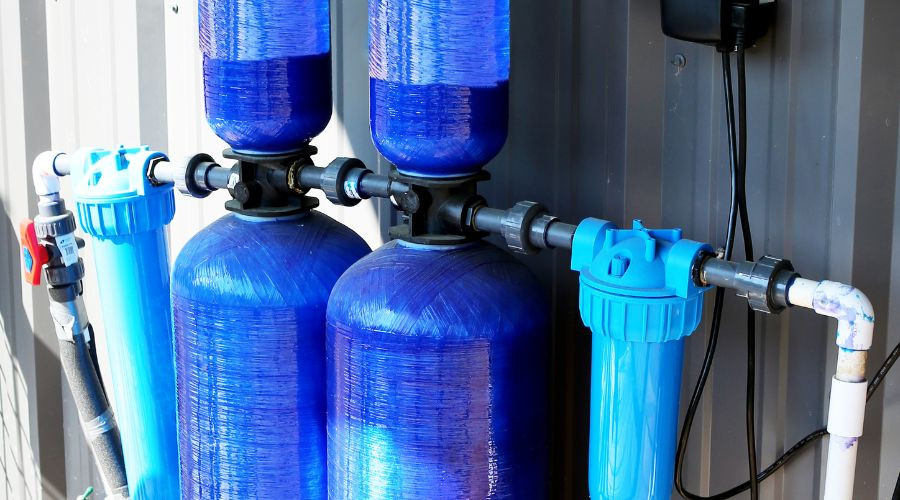
    Water filtration systems remove contaminants and impurities from water through specialized filtering processes. These systems use various purification methods to trap harmful substances while allowing clean water to flow through to the home’s plumbing fixtures. Depending on the type of system installed, whole-home water filtration systems can target specific pollutants like chlorine, lead, pesticides, and other impurities that might be lurking in the water supply.

    Common types of water filtration systems include activated carbon water filters and reverse osmosis water filters. Activated carbon filters have a bed of activated carbon that traps contaminants such as pesticides, volatile organic compounds (VOCs), chlorine, and certain heavy metals for better-smelling and tasting water. Reverse osmosis systems force water through a semipermeable membrane that traps most contaminants from the water, including chemicals, volatile organic compounds (VOCs), microorganisms, dissolved salts, heavy metals, and more. They also remove minerals that cause hard water for cleaner and softer water. 

    Benefits of a Water Filtration System Installation

    water Installing a whole-home water filtration system transforms the home's water quality, leading to significant benefits. These systems remove contaminants and impurities from water, improving the water's taste and odor. Having cleaner and better-tasting water at home can also save homeowners money over the long term by eliminating the need to purchase bottled water. 
    Beyond the immediate improvement in taste and odor, filtered water also protects the health of those in the home. Water filtration systems reduce exposure to potentially harmful substances that can lead to illness and various health issues. Additionally, installing a system that also reduces water hardness, like a reverse osmosis filter, can lead to many more benefits, including improving the efficiency and extending the lifespan of appliances that use water, more hydrated skin and hair, protecting and extending the lifespan of the plumbing, and more.

    Signs to Install a Water Filtration System

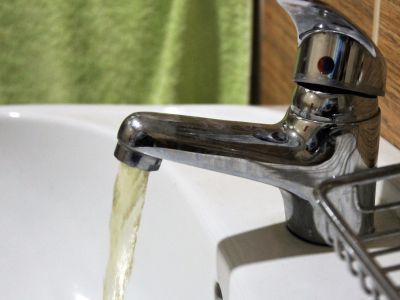
    sinkThere are several signs that can alert homeowners to the need for a water filtration system, including an unusual taste or odor to the water and water that is discolored or looks cloudy. These signals can be due to minerals, bacteria, or chemicals in the water supply. Once noticed, it's time to investigate water filtration options.
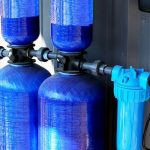
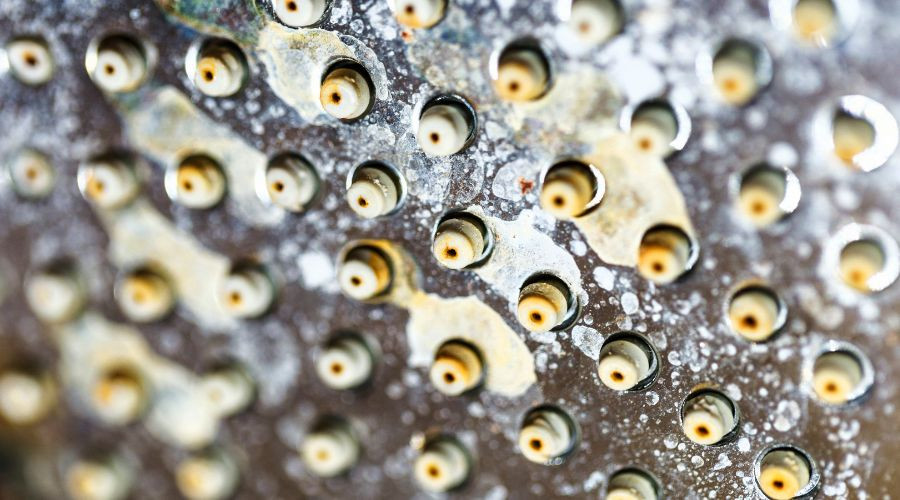
    Additionally, if the home is located in an area with poor water quality or homeowners have any water quality concerns, it signals the need for a water filtration system installation. Addressing these signs or concerns promptly with a whole-home water filter can ensure cleaner, safer, and better-tasting water for the household’s needs.  

    About Quahog Plumbing

    Quahog Plumbing is a commercial and residential plumbing company serving the Swansea area. They provide straightforward pricing, rapid service, and the latest technology. Call them for a whole-home water filtration system installation in Swansea, MA.

  • Hard Water and Water Softeners Explained

    What Is Hard Water?

    Many people have heard of hard water but may not fully understand it or why it can be problematic. Hard water is essentially water with a high concentration of naturally occurring minerals, particularly calcium and magnesium. These minerals are picked up as water flows through geological formations and remain present even after water treatment.

    When mineral concentrations are high enough, minerals can precipitate out of the water, forming a scale that can damage plumbing systems. Even at lower concentrations, hard water can interfere with cleaning and rinsing, reducing its effectiveness. Fortunately, managing hard water is straightforward with a water softener.

    How Do Water Softeners Work?

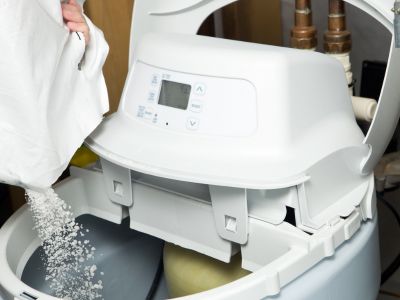
    water softenerWater softeners are devices designed to remove the minerals that cause hard water. They operate using a resin bed that performs ion exchange, replacing calcium and magnesium ions with harmless sodium ions as water passes through.

    A typical water softener consists of two main components:

    • Resin Tank: Where the ion exchange occurs to soften the water.
    • Brine Tank: Used to regenerate the resin when it becomes saturated with calcium and magnesium.

    Water softeners require minimal space and operate automatically, making them convenient for homeowners. Maintenance is simple and involves periodically refilling the brine tank with salt, which can be done quickly.

    Signs Your Home Has Hard Water

    dry hair If you suspect your home has hard water, look for these common signs:

    • Dry, itchy skin and dull hair due to soap residue that doesn’t rinse away completely.
    • White, chalky buildup on faucets and showerheads caused by mineral deposits.
    • Clogged pipes and poor water pressure are a problem. 
    • Faded, worn-out clothing that loses its vibrancy quickly.
    • Spots on dishes after washing.

    These signs indicate that hard water may negatively impact your home’s plumbing, appliances, and overall water quality.

    The Perks of Installing a Water Softener

    A whole-home water softener can provide numerous benefits, making it a worthwhile investment for households dealing with hard water. Some advantages include:

    • Healthier skin and hair: Soft water rinses away soap and shampoo completely, leaving skin and hair clean and moisturized.
    • Longer-lasting plumbing and appliances: Water softeners reduce wear and tear on pipes, water heaters, and other appliances by preventing mineral buildup so they last longer.
    • More efficient appliances: Softened water also helps appliances like water heaters, dishwashers, and washing machines operate more efficiently, saving money. 
    • Vibrant, longer-lasting clothing: Clothes stay colorful longer and feel softer after washing.
    • Spot-free dishes: Say goodbye to chalky residue on glassware and utensils after being washed in the dishwasher.

    Homeowners can protect their plumbing, save money on repairs, and get many more benefits by installing a water softener. If you suspect hard water affects your home, don’t wait for the damage to worsen. 

    Contact a trusted plumber to assess your water quality and recommend the right water softener for your household. A water softener is a low-maintenance solution that can significantly benefit a household.

    About Quahog Plumbing

    Quahog Plumbing is a full-service plumbing contractor dedicated to improving water quality for homeowners in Somerset, MA. Their skilled team offers top-notch customer service, same-day service, and straightforward pricing on any project. Contact them for water softener installation and services in Somerset, MA.

  • Knowing When the Water Line Needs Repairs

    Signs That Call for Water Line Replacement or Repair

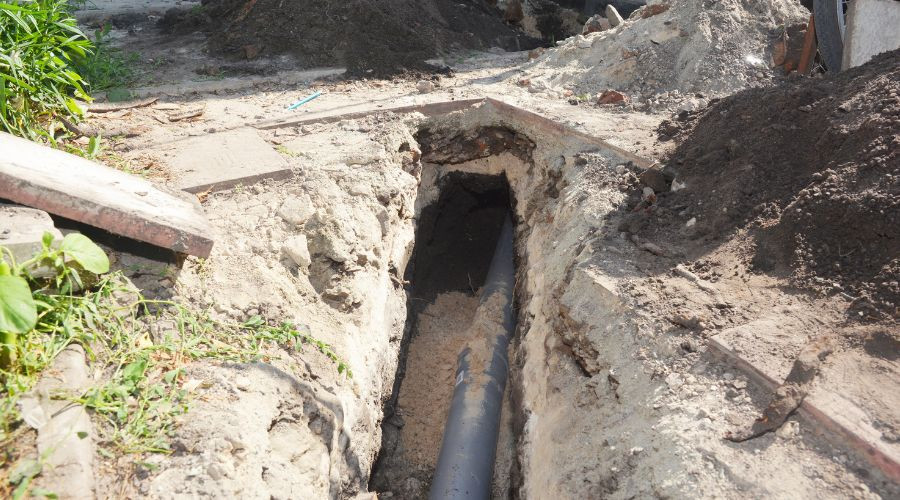
    Issues with your main water line go beyond the annoyance of a simple leaky faucet. They can affect the water supply to the whole home because the main line can be more difficult to access and require more work and funds to address. Dealing with water line issues as soon as possible is important to limit damage and the cost of repairs. Here are the major signs of main water line issues to look out for!

    Oxidation - Rust or Corrosion

    bad smell Pipes that show signs of rust or corrosion should be replaced as soon as possible. Even if there’s no apparent issue at the time, it doesn’t take long for this issue to get worse and cause many of the problems outlined below.

    More serious cases of rust or corrosion can contaminate our water, causing discoloration (e.g., green or red water), strange smells or tastes, or pipe noises. Rust and corrosion can also cause leaks, weakening the integrity of the pipes and leading to issues with water pressure, leaks, and higher water bills.

    While pipes are usually coated with anti-corrosive materials, these can wear down over time, or small leaks may appear, exacerbating the issue. Replacing the affected area is the only long-term solution.

    Apparent Water or Leaks

    bills Even without rusting or corrosion, you may notice symptoms of waterline leaks such as:
    • Higher water bills
    • Wet spots (on the lawn or in the home)
    • Water stains
    • Poor water pressure

    If left unrepaired, an outside leak can contribute enough moisture to attract termites or rot wood, damaging your foundation.

    Your water meter might alert you if you suspect a leak but cannot locate it. Turn off every tap in the home, then check the meter. The number should not be increasing. If it is, it’s measuring water usage somewhere in the home.

    A professional plumber can help you pinpoint the exact location of the leak.

    Risk With Age

    While your main water line may be one of its sturdier features, it still has a limited life expectancy. Depending on the types of pipes you have, your main line may last anywhere from 20 to 100+ years, with most aging out around 40 to 60 years.

    As the water line fails, it will showcase all the hallmarks of major leaks, including high water bills, yard puddling, increased utility bills, and water pressure issues.

    If you have frequent issues with your water line or major leaks, it might be time to repipe the main water line. This can update your system, improve water quality in the home, and limit future issues.

    A professional plumber can comprehensively analyze your main water line to determine whether repairs or repiping are more appropriate. Even with routine plumbing maintenance, you may eventually reach a point where replacing the system makes more sense.

    About Quahog Plumbing

    The plumbers at Quahog Plumbing have plenty of experience in diagnosing main waterline issues and recommending repairs that make the most sense without frivolous upselling. Straightforward pricing is a cornerstone of their fairness-first business structure, and they strive to make dealing with plumbing issues as stress-free as possible. Call Quahog Plumbing today for all your water line issues in Swansea, MA!

Experience You Can Trust

With over 15 years of experience in the plumbing industry, we are equipped to handle all sorts of problems- from routine drain cleanings to emergency repairs!

Licensed & Safe Plumbers

We’re not just in the service industry, we’re in the relationship business. We want to gain a relationship with the customer and we want to have that relationship for life.

Straightforward, Flat-Rate Pricing

We’ll always provide you with the price of the work before we begin. No surprises or hidden fees!